20 High Protein Foods for Muscle Building
Discover the best high-protein foods to build muscle, recover faster, and hit your daily protein goals. Complete list with protein content per serving.
Why Protein Matters for Muscle Building
Protein is the building block of muscle tissue. When you exercise, particularly through resistance training, you create micro-tears in your muscle fibers. Your body repairs these tears using amino acids derived from dietary protein, and through this process, the fibers grow back thicker and stronger. This is the fundamental mechanism of muscle growth, and without adequate protein, it simply cannot happen efficiently.
Research suggests that active individuals need between 1.6 to 2.2 grams of protein per kilogram of body weight daily for optimal muscle growth. That is significantly more than the 0.8g per kg recommended for sedentary adults. For a 75kg person focused on building muscle, that translates to roughly 120 to 165 grams of protein per day, which requires genuine intention and planning to achieve consistently.
But quantity alone does not tell the full story. The quality, bioavailability, and amino acid profile of your protein sources matter enormously. Animal proteins generally contain all nine essential amino acids in proportions that closely match human needs, while most plant proteins are lower in one or more essential amino acids. This does not mean plant proteins are inferior, but it does mean that plant-based eaters need more variety and slightly higher total intake to achieve the same muscle-building results.
The 20 Best High Protein Foods
1. Chicken Breast — 31g protein per 100g
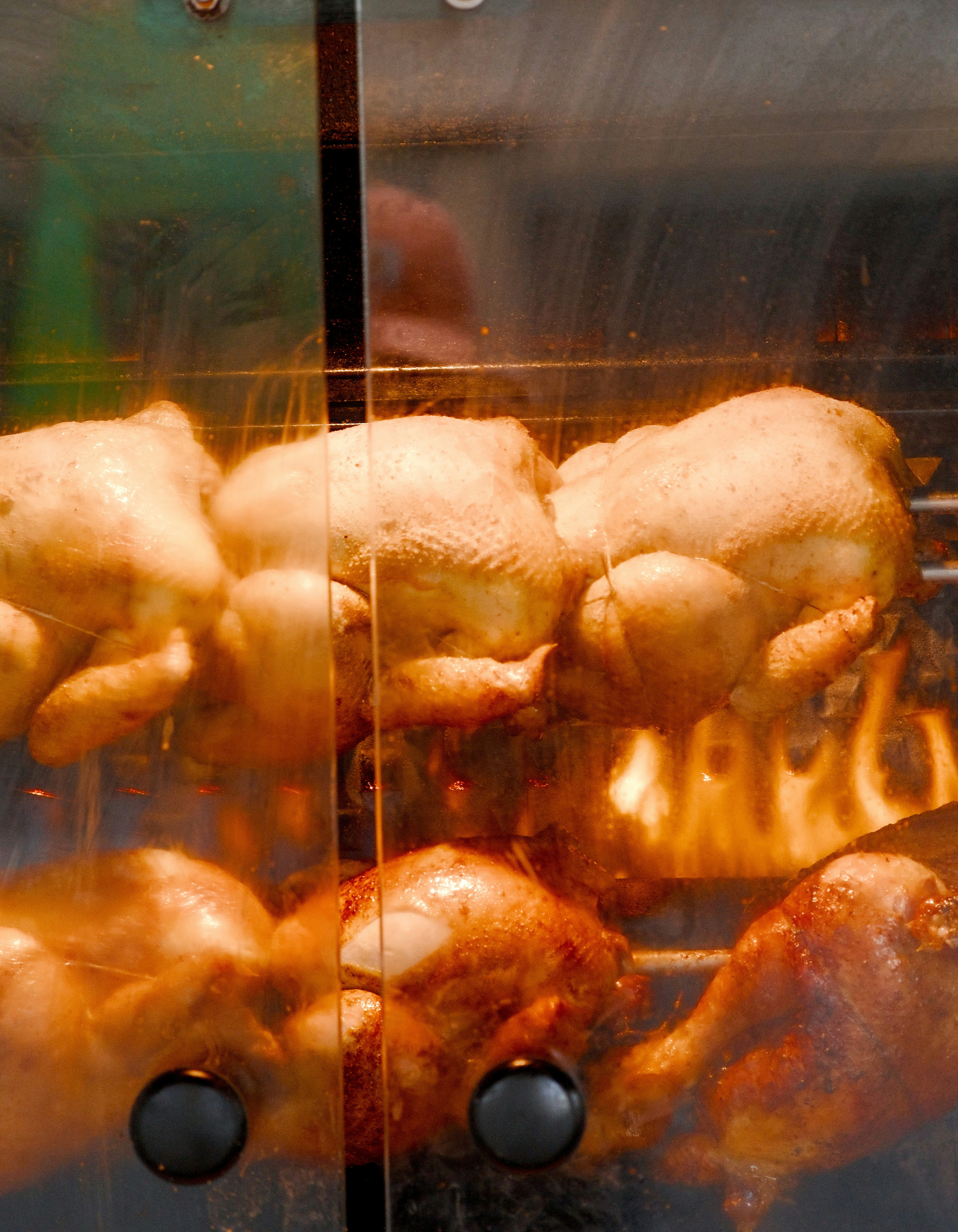
Chicken breast is the gold standard of lean protein for good reason. It delivers 31 grams of protein per 100 grams with only 3.6 grams of fat and 165 calories. A single 150g chicken breast provides roughly 46 grams of protein, which is nearly a third of most people's daily requirement in one sitting. Its mild flavour makes it adaptable to virtually any cuisine, from Nigerian pepper soup to Mexican fajitas to a simple grilled breast with vegetables. The key to good chicken breast is not overcooking it — brining for 30 minutes before cooking or using a meat thermometer to pull it at 74°C keeps it juicy.
2. Greek Yogurt — 10g protein per 100g
Greek yogurt contains nearly double the protein of regular yogurt because the straining process removes excess whey liquid, concentrating the protein. A 200g serving delivers about 20 grams of protein alongside probiotics for gut health and calcium for bone strength. The casein protein in yogurt digests slowly, providing a sustained release of amino acids, which makes it an excellent option before bed when your body enters a prolonged fasting state. Choose plain varieties and add your own fruit or honey — flavoured versions often contain 15-20 grams of added sugar that undermines the health benefits.
3. Eggs — 13g protein per 100g
Eggs are one of nature's most complete foods. The protein in eggs has a biological value of 100, meaning your body can use virtually all of it. That is higher than any other whole food. Each large egg provides about 6.3 grams of protein along with vitamin D, choline (critical for brain function), B12, and selenium. The yolk contains nearly half the protein plus all of the fat-soluble vitamins, so eating whole eggs is nutritionally superior to whites alone unless you are specifically trying to reduce calorie intake. Three eggs at breakfast gives you nearly 19 grams of protein for under 220 calories, making eggs one of the most protein-efficient breakfast options available.
4. Salmon — 25g protein per 100g
Salmon delivers high-quality protein alongside omega-3 fatty acids EPA and DHA, which reduce inflammation and may enhance muscle recovery between training sessions. A 150g fillet provides about 37 grams of protein. Wild-caught salmon typically contains 3-4 times more omega-3s than farmed varieties, though both are excellent choices. Beyond muscle building, the omega-3s in salmon support heart health, brain function, and joint mobility, which matters for anyone training intensely.
5. Lean Beef — 26g protein per 100g
Beef provides complete protein plus iron, zinc, and B12, three nutrients that play direct roles in energy production, oxygen transport, and muscle function. These are harder to obtain in sufficient quantities from plant sources. Choose cuts like sirloin, tenderloin, eye of round, or 93% lean ground beef to keep saturated fat moderate. A 200g steak delivers over 50 grams of protein and about 5mg of iron, which is more than half the daily requirement for men and a third for premenopausal women.
6. Tuna — 29g protein per 100g
Canned tuna is one of the most affordable and convenient protein sources on the planet. It requires no cooking, is shelf-stable for years, and packs nearly 30 grams of protein per 100g. A single can provides about 40 grams of protein for less than $2. Mix it with Greek yogurt instead of mayonnaise for a protein-boosted tuna salad that eliminates the empty calories from mayo. Be mindful of mercury: limit albacore (white) tuna to 2-3 servings per week and choose skipjack (light) tuna more frequently.
7. Lentils — 9g protein per 100g (cooked)
Lentils are the protein champion among legumes. A cup of cooked lentils provides about 18 grams of protein alongside 15 grams of fiber, making them one of the most satiating foods available per calorie. They also deliver iron, folate, and potassium. While not a complete protein on their own (they are low in methionine), combining lentils with rice, bread, or other grains throughout the day provides all essential amino acids. Red lentils cook in about 15 minutes and break down into a creamy consistency, making them ideal for soups and stews.
8. Turkey Breast — 29g protein per 100g
Turkey breast rivals tuna in protein density while being even leaner than chicken breast. It provides excellent amounts of selenium, which supports thyroid function and acts as an antioxidant, plus B vitamins that aid energy metabolism. Ground turkey (93-99% lean) is a versatile substitute for ground beef in burgers, meatballs, chili, and bolognese. Turkey tends to dry out faster than chicken during cooking, so adding moisture through brining or cooking in sauce helps maintain texture.
9. Cottage Cheese — 11g protein per 100g
Cottage cheese is rich in casein protein, which digests slowly over several hours and provides a sustained trickle of amino acids to your muscles. This makes it particularly valuable as a pre-sleep snack, when your body enters an extended fasting period. A 200g serving before bed delivers about 22 grams of protein that your muscles can use throughout the night. Research has shown that pre-sleep casein protein improves overnight muscle protein synthesis and next-morning metabolism.
10. Shrimp — 24g protein per 100g
Shrimp is almost pure protein. It contains virtually no fat or carbohydrates, which gives it an exceptional protein-to-calorie ratio. A 150g serving provides 36 grams of protein for under 150 calories. Shrimp also provides selenium, iodine for thyroid health, and astaxanthin, a potent antioxidant that gives shrimp its pink colour. It cooks in 2-3 minutes, making it one of the fastest protein sources to prepare.
11. Tofu — 8g protein per 100g
Tofu is the most versatile plant protein and one of the few plant foods containing all nine essential amino acids. Firm and extra-firm varieties have higher protein per serving than silken tofu. Press out excess water before cooking to improve texture and allow it to absorb marinades and sauces. A 200g block of firm tofu provides about 16 grams of protein alongside calcium and iron. It adapts to virtually any flavour profile, from stir-fries to scrambles to smoothies.
12. Quinoa — 4.4g protein per 100g (cooked)
While not the highest in protein by weight, quinoa is one of the few plant foods containing all nine essential amino acids in meaningful proportions. It also provides iron, magnesium, and fiber, making it far more nutritious than white rice as a carbohydrate base. A cup of cooked quinoa gives you about 8 grams of complete protein. Use it as a base for grain bowls, mix it into salads, or substitute it for rice alongside protein-rich mains.
13. Almonds — 21g protein per 100g
Almonds pack protein alongside healthy monounsaturated fats, fiber, and vitamin E, a potent antioxidant. A 30g handful provides about 6 grams of protein and 170 calories. The calorie density means portion control matters, but as a snack, almonds deliver sustained energy and meaningful protein. Almond butter on whole grain toast with sliced banana makes a protein-rich pre-workout meal.
14. Peanut Butter — 25g protein per 100g
Two tablespoons of peanut butter provide about 8 grams of protein alongside healthy fats and magnesium. Choose natural varieties whose only ingredients are peanuts and possibly salt, avoiding those with added sugars and hydrogenated oils. Peanut butter on whole grain bread, blended into smoothies, or stirred into oatmeal is a simple way to add protein and calories, particularly useful for people who struggle to eat enough to support muscle growth.
15. Black Beans — 8.9g protein per 100g (cooked)
Black beans deliver protein alongside fiber, which supports digestive health, feeds beneficial gut bacteria, and helps maintain stable blood sugar levels. A cup of cooked black beans provides about 15 grams of protein and 15 grams of fiber. They pair perfectly with rice for a complete amino acid profile, and this combination is a staple in Latin American, Caribbean, and West African cuisines for good reason — it is affordable, nutritious, and deeply satisfying.
16. Milk — 3.4g protein per 100g
While the protein per weight seems modest, a full glass (250ml) of milk provides about 8 grams of high-quality protein containing both whey and casein. Whey digests quickly and stimulates muscle protein synthesis acutely, while casein digests slowly and provides sustained amino acid delivery. This dual-speed protein makes milk an excellent post-workout recovery drink. Chocolate milk, with its roughly 3:1 carb-to-protein ratio, has become a popular and surprisingly effective post-workout option endorsed by sports nutrition research.
17. Edamame — 11g protein per 100g
Edamame (young soybeans) are a complete plant protein with all essential amino acids. A cup provides about 18 grams of protein alongside fiber, iron, and calcium. Keep a bag of frozen edamame in the freezer for a snack that takes 5 minutes to prepare: boil, drain, sprinkle with sea salt. They also work well tossed into stir-fries, grain bowls, and salads for an easy protein boost.
18. Chickpeas — 8.9g protein per 100g (cooked)
Chickpeas are incredibly versatile. Use them in hummus, salads, curries, soups, or roasted with spices as a crunchy snack. A cup of cooked chickpeas provides about 15 grams of protein alongside fiber, manganese, and folate. Canned chickpeas require no cooking and keep for months in the pantry, making them a reliable fallback protein source when fresh options are not available.
19. Oats — 13g protein per 100g (dry)
Oats are surprisingly protein-rich for a grain. A bowl of oatmeal made with milk and topped with nuts and seeds can easily deliver 20 grams of protein before you even add a protein powder. Oats also provide beta-glucan fiber, which lowers cholesterol, supports heart health, and creates a thick, satisfying texture that keeps you full throughout the morning. Overnight oats prepared the night before make a zero-effort high-protein breakfast.
20. Pork Tenderloin — 26g protein per 100g
Pork tenderloin is one of the most underrated protein sources. It is comparable to chicken breast in both protein content and fat content, often at a lower price. A 200g serving provides over 50 grams of protein. Pork tenderloin cooks quickly, pairs well with a wide range of seasonings and sauces, and slices neatly for meal prep. It is particularly good marinated and grilled or roasted whole and sliced for the week's meals.
How Much Protein Do You Actually Need?
The recommended daily intake depends on your goals and activity level. Sedentary adults need about 0.8g per kg of body weight. For muscle building, aim for 1.6 to 2.2g per kg. Endurance athletes fall somewhere in between at 1.2 to 1.6g per kg. For a 75kg person focused on muscle building, that means roughly 120 to 165g of protein per day.
Spreading your intake across 4-5 meals of 25-40g each is more effective than concentrating it in one or two large meals. Research consistently shows that muscle protein synthesis has a per-meal ceiling, and consuming 50-60g of protein in one sitting does not produce proportionally more muscle growth than 30-40g.
Tips for Hitting Your Protein Goals
Start each meal by deciding on your protein source first, then build the rest of the meal around it. Keep high-protein snacks accessible: boiled eggs, Greek yogurt, jerky, nuts, and protein shakes are all portable options. Meal prepping proteins at the start of the week, grilling several chicken breasts, boiling a dozen eggs, cooking a batch of lentils, makes hitting daily targets dramatically easier.
All nutritional values in this article are per 100g serving and sourced from the USDA FoodData Central database. Use our food search tool to look up exact values for any food, or explore the full high protein food guide.
Tags
Look Up Any Food
Search nutrition facts for over 300,000 foods in our free database.