Keto Diet Food List: What to Eat and What to Avoid
Complete keto food list with net carb counts. Know exactly which foods are keto-friendly and which ones to avoid on a ketogenic diet.
What Is the Keto Diet?
The ketogenic diet is a high-fat, moderate-protein, very low-carbohydrate eating approach that shifts your body's primary fuel source from glucose to ketones. Ketones are molecules produced in the liver from the breakdown of fatty acids, and they serve as an efficient alternative fuel for your brain, heart, and muscles. To achieve and maintain this metabolic state called ketosis, most people need to keep their daily net carbohydrate intake below 20-50 grams, roughly the amount in a single banana or a cup of cooked rice.
The diet was originally developed in the 1920s as a therapeutic treatment for epilepsy in children, and it remains medically prescribed for certain seizure disorders today. Its modern popularity for weight loss exploded in the 2010s, and while the science is more nuanced than the hype suggests, there is solid evidence that ketogenic diets are effective for short-to-medium term weight loss, blood sugar management in type 2 diabetes, and reducing certain cardiovascular risk factors.
The mechanism behind keto's weight loss effectiveness is ultimately the same as any successful diet: it creates a calorie deficit. However, keto achieves this through a specific pathway. By dramatically reducing carbohydrates, you lower insulin levels, which facilitates fat mobilization. You also eliminate entire categories of calorie-dense, easy-to-overeat foods like bread, pasta, rice, pastries, and sugary snacks. The high fat content of keto meals promotes satiety, and many people find they naturally eat less without deliberate calorie counting. The initial rapid weight loss in the first week is primarily water, as your body depletes glycogen stores which hold significant water, but subsequent weight loss represents genuine fat loss.
Foods to Eat on Keto
Proteins
Quality protein forms the foundation of every keto meal, but the proportion matters. Keto is a moderate-protein diet, not a high-protein diet. Eating excessive protein can trigger gluconeogenesis, a process where your body converts amino acids into glucose, potentially disrupting ketosis. A practical target is 1.2-1.7 grams of protein per kilogram of body weight daily.
Your best protein sources on keto are those that come with their own fat content. Beef, particularly fattier cuts like ribeye, chuck roast, and 80/20 ground beef, provides protein plus fat in ratios that align well with keto macros. Pork, including bacon, pork belly, chops, and tenderloin, is naturally keto-friendly. Lamb and venison are excellent red meat alternatives.
Poultry works well on keto, though choosing dark meat (thighs, drumsticks) over breast provides more fat and arguably more flavour. Whole eggs are a keto staple — at less than 1 gram of carbohydrate per egg with a balanced protein-to-fat ratio, they are nearly the perfect keto food.
Fish and seafood are outstanding keto options. Fatty fish like salmon, sardines, mackerel, and herring provide protein, healthy fats, and omega-3 fatty acids. Shellfish including shrimp, crab, and mussels are low-carb, though some shellfish like scallops and oysters contain modest carbs that should be accounted for.
Organ meats like liver are nutrient powerhouses that are very low in carbohydrates. Even a small serving of liver provides enormous amounts of vitamin A, B12, iron, and copper.
Healthy Fats
Fat is your primary energy source on keto, comprising 70-80% of your total calories. Choosing quality fat sources matters for both health outcomes and how you feel on the diet.
Extra virgin olive oil is arguably the healthiest fat available, backed by extensive research linking it to cardiovascular benefits, anti-inflammatory effects, and longevity. Use it liberally for cooking, dressings, and drizzling over finished dishes. Avocado oil has a higher smoke point and works better for high-heat cooking. Coconut oil contains medium-chain triglycerides (MCTs), which are rapidly converted to ketones by the liver, making it particularly useful during the adaptation phase.
Butter and ghee provide fat alongside fat-soluble vitamins A, D, E, and K2. Ghee has a higher smoke point than butter and is suitable for people with dairy sensitivity since the milk solids have been removed.
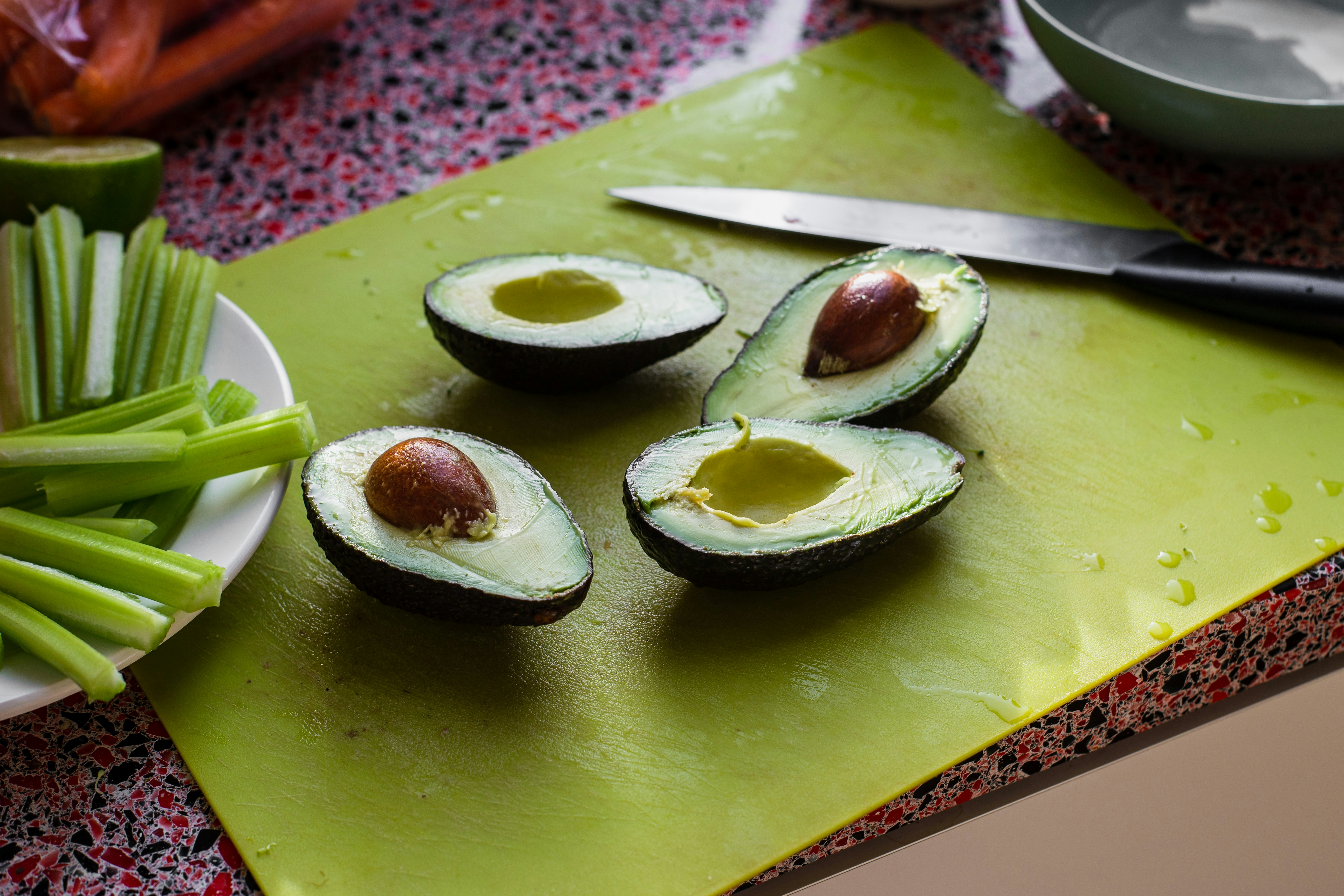
Avocados are a keto superfood. A whole avocado provides about 15 grams of healthy fat, 10 grams of fiber, and only 3-4 grams of net carbs. The fiber and fat combination makes avocados incredibly satiating.
Nuts and seeds provide fat alongside protein, though carb content varies significantly. Macadamia nuts are the most keto-friendly at just 1.5g net carbs per 30g serving. Pecans, Brazil nuts, and walnuts are also excellent. Almonds, peanuts, and cashews contain more carbs and require portion awareness. Seeds like chia, flax, hemp, and pumpkin provide fat, protein, fiber, and minerals.
Full-fat dairy including hard cheeses, heavy cream, cream cheese, and sour cream works well on keto. Soft cheeses like brie and camembert are also good options. Avoid milk (too much lactose sugar) and low-fat dairy products.
Low-Carb Vegetables
Vegetables provide essential vitamins, minerals, fiber, and phytonutrients on keto. The general rule is that leafy greens and above-ground vegetables are safe, while starchy below-ground vegetables are too carb-heavy.
Safe vegetables include spinach, kale, lettuce, arugula, Swiss chard, broccoli, cauliflower, zucchini, bell peppers (in moderation), asparagus, green beans, mushrooms, cucumber, celery, cabbage, Brussels sprouts, and radishes. These all contain under 5 grams of net carbs per typical serving.
Cauliflower deserves special attention as the single most versatile keto vegetable. Riced cauliflower substitutes for rice, mashed cauliflower replaces mashed potatoes, and cauliflower crust serves as a pizza base. It has become the backbone of keto cooking for good reason.
Foods to Avoid on Keto
Sugars and sweeteners: Table sugar, honey, maple syrup, agave, and all caloric sweeteners must be eliminated. This includes the sugar hiding in sauces, dressings, marinades, and beverages.
Grains and starches: Wheat, rice, oats, corn, barley, and all products made from them, including bread, pasta, cereal, tortillas, and crackers, are off limits. Even whole grains, while healthier than refined grains, contain far too many carbohydrates for ketosis.
Most fruits: The natural sugar in fruit makes most varieties too carb-heavy for keto. A single medium banana contains about 27 grams of carbs. Berries are the exception: strawberries, raspberries, blueberries, and blackberries can be enjoyed in small portions. Lemons and limes are fine for flavouring.
Starchy vegetables: Potatoes, sweet potatoes, corn, peas, and carrots are too carbohydrate-dense. A medium baked potato contains about 37 grams of carbs, nearly two full days' worth on strict keto.
Legumes: Despite their excellent nutritional profile, beans, lentils, and chickpeas are too high in carbohydrates for keto. A cup of black beans contains about 26 grams of net carbs.
Processed foods and beverages: Most processed foods contain hidden sugars and starches. Soft drinks, fruit juice, beer, and sweet cocktails are carbohydrate bombs. Diet sodas are technically zero-carb but may trigger insulin responses and cravings in some people.
Nigerian Foods on Keto
Keto presents a genuine challenge for lovers of Nigerian cuisine, since many beloved staples are carbohydrate-based. All swallows, including pounded yam, amala, garri (eba), fufu, and tuwo, are off limits. Rice, yam, plantain, and bread must be eliminated.
However, several Nigerian foods are naturally keto-compatible. Suya is essentially just grilled seasoned meat with minimal carbs. Egusi soup is high in healthy fats from melon seeds and works well on keto when eaten without swallow. Pepper soup with fish or meat is low-carb and deeply satisfying. Efo riro is a leafy vegetable stew that fits keto macros nicely. Nkwobi (spiced cow foot) is protein-rich and low-carb.
The strategy is to enjoy these soups and protein dishes without the starchy sides. Use the soups as standalone meals with extra meat or fish, or serve them over cauliflower rice for a texture that mimics the traditional experience.
Browse our complete keto food guide to see which foods in our database meet keto criteria, or use the food search to check the carb content of any food before including it in your meal plan.
Common Keto Mistakes
Not tracking carbs carefully is the most common reason people fail to enter or maintain ketosis. Hidden carbs accumulate quickly from sauces (a tablespoon of ketchup has 4g), dressings, marinades, and processed foods. Tracking your intake for at least the first month is essential until you develop an intuitive sense of carb content.
Many people eat too much protein and not enough fat. Keto is a high-fat diet, with fat providing 70-80% of calories. If your plate is dominated by lean protein with minimal fat, you are eating more of a low-carb, high-protein diet than a ketogenic one.
Neglecting electrolytes causes the dreaded "keto flu" during the first week. When you reduce carbohydrates, your kidneys excrete more sodium, which drags potassium and magnesium with it. Supplementing with these minerals, salting your food generously, drinking bone broth, and eating magnesium-rich foods like dark chocolate and avocados prevents or minimizes these symptoms.
Is Keto Right for You?
Keto can be highly effective for weight loss, blood sugar management, and reducing inflammation. It is not, however, necessary for these outcomes. Many people achieve identical results with less restrictive low-carb approaches. Keto requires significant dietary changes, social flexibility, and ongoing attention to macronutrient ratios. If you have diabetes, kidney disease, a history of eating disorders, or are pregnant, consult your doctor before starting.
All nutritional values sourced from the USDA FoodData Central database.
Tags
Look Up Any Food
Search nutrition facts for over 300,000 foods in our free database.