Is 400 kcal the Same as 400 Calories? Calories vs Kilocalories Explained
Confused by kcal and calories on food labels? They mean the same thing. Learn why nutrition uses two terms for the same measurement and what it means for you.
Yes, 400 kcal and 400 Calories Are the Same Thing
This is one of the most common points of confusion in nutrition, and the answer is straightforward: in everyday nutrition and on food labels, 1 kcal (kilocalorie) equals 1 Calorie (with a capital C). When a food label says a meal contains 400 kcal, and someone else says it contains 400 calories, they are describing exactly the same amount of energy.
The confusion exists because of an unfortunate historical naming convention that has persisted for over a century, creating two different terms for the same measurement. Understanding why clears up the confusion permanently.
The Scientific Background
In physics and chemistry, a calorie (lowercase c) is a very small unit of energy: the amount needed to raise the temperature of 1 gram of water by 1 degree Celsius. This unit is far too tiny to be useful in nutrition. A single apple contains roughly 95,000 of these small calories.
To avoid working with such enormous numbers, nutritionists adopted the kilocalorie (kcal), which equals 1,000 small calories. One kilocalorie is the energy needed to raise the temperature of 1 kilogram (not gram) of water by 1 degree Celsius. That apple contains about 95 kilocalories, a much more manageable number.
The problem arose when everyday language shortened "kilocalorie" to "Calorie" with a capital C. In formal scientific writing, there is a distinction between "calorie" (small, the physics unit) and "Calorie" (large, the nutrition unit that equals 1 kcal). In practice, nobody writes or speaks with this capitalisation distinction, and context makes the meaning clear: when anyone discusses food, "calories" always means kilocalories.
What This Means for Food Labels
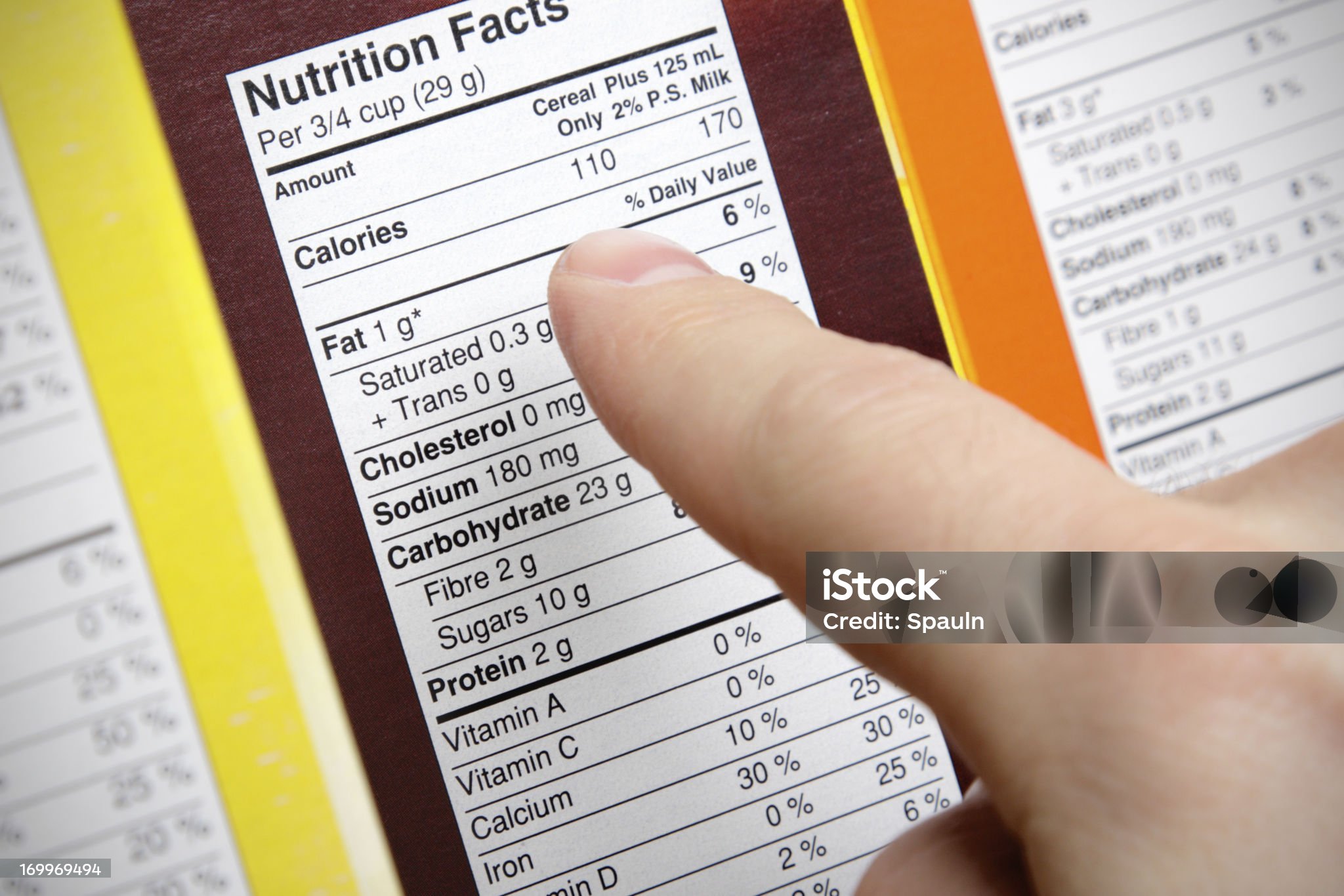
Different countries use different conventions on food labels. European labels typically use "kcal" or "kJ" (kilojoules, another energy unit). American labels use "Calories." Nigerian and many African labels often use "kcal." All of these refer to the same nutritional energy measurement.
If a European product says it contains 250 kcal per serving and an American product says 250 Calories, they contain identical energy. You do not need to convert between them.
Kilojoules (kJ) are the one unit that does require conversion. Some countries (particularly Australia) use kilojoules on labels. To convert kJ to kcal, divide by 4.184. So a food labelled as 1,000 kJ contains approximately 239 kcal (or 239 Calories). The reverse: multiply kcal by 4.184 to get kJ.
Why It Does Not Matter in Practice
For all practical purposes of eating, tracking food intake, and managing your weight, you never need to worry about the distinction between kcal and Calories. They are interchangeable in every nutrition context you will encounter. When you use our food search tool to look up a food and it says 200 calories, that is the same as 200 kcal. When a recipe says it contains 500 kcal per serving, that is 500 Calories.
The only situation where the distinction between small-c calories and big-C Calories matters is in laboratory chemistry and physics, which is not relevant to anyone reading nutrition labels or tracking food intake.
Quick Reference
400 kcal = 400 Calories = 400 calories (in nutrition context) = 1,674 kJ
All four expressions describe the same amount of food energy. When you see any of these on a food label or in a nutrition article, they mean the same thing.
If you are tracking calories for weight loss, muscle building, or any health goal, the unit does not matter as long as you are consistent. Use kcal or Calories interchangeably, and focus on whether your total intake aligns with your energy needs.
Check our calorie deficit guide to learn how to calculate the right calorie target for your goals.
All nutritional values on CalorieExpert are displayed in kcal, which equals Calories in standard nutrition usage.
Tags
Look Up Any Food
Search nutrition facts for over 300,000 foods in our free database.