The Healthiest Cooking Oils Ranked by Calories, Fat, and Smoke Point
All cooking oils have 120 calories per tablespoon, but their health effects differ dramatically. See how olive, coconut, avocado, and other oils compare.
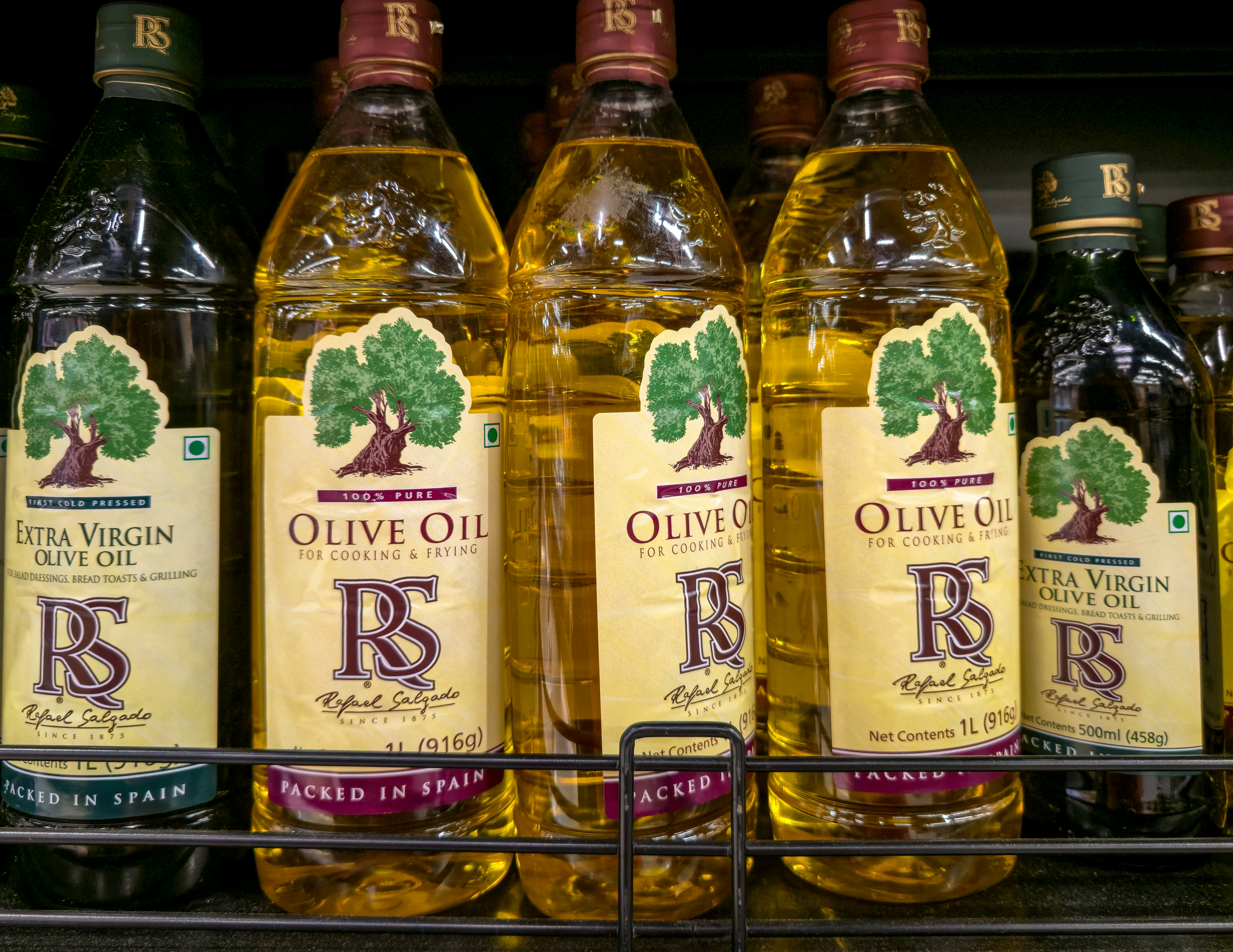
All Cooking Oils Have the Same Calories — But That Is Where the Similarity Ends
Every cooking oil, whether olive, coconut, sunflower, palm, avocado, or any other variety, contains approximately 120 calories and 14g of fat per tablespoon (884 calories per 100g). This is because all cooking oils are pure fat, and fat contains 9 calories per gram regardless of its source.
The critical differences between oils lie in their fatty acid composition (the types of fat they contain), their smoke point (the temperature at which they break down and release harmful compounds), and the health effects of their specific fat profiles. These differences determine which oils support health and which may undermine it.
Understanding cooking oils is particularly important for weight management because oils are the single most common source of hidden calories in home cooking. Read our 10 highest calorie foods guide — cooking oils top the list at 884 calories per 100g.
The Ranking: Best to Worst for Health
1. Extra Virgin Olive Oil — The Gold Standard
Calories: 119 per tablespoon. Fat profile: 73% monounsaturated (oleic acid), 11% polyunsaturated, 14% saturated. Smoke point: 190-210°C (suitable for most cooking).
Extra virgin olive oil has the strongest evidence base of any cooking oil. Decades of research, including the landmark PREDIMED trial, have demonstrated that regular olive oil consumption reduces cardiovascular disease risk, inflammation markers, and all-cause mortality. The Harvard T.H. Chan School of Public Health identifies olive oil as the healthiest fat for cooking and dressings.
The polyphenol antioxidants in extra virgin olive oil provide anti-inflammatory benefits beyond what the fat profile alone would suggest. These compounds are absent or minimal in refined olive oil, so "extra virgin" matters.
2. Avocado Oil
Calories: 124 per tablespoon. Fat profile: 71% monounsaturated, 13% polyunsaturated, 12% saturated. Smoke point: 270°C (excellent for high-heat cooking).
Very similar fat profile to olive oil with a significantly higher smoke point, making it the best choice for frying, searing, and grilling. Its neutral flavour works in any cuisine without competing with other flavours.
3. Canola (Rapeseed) Oil
Calories: 120 per tablespoon. Fat profile: 63% monounsaturated, 28% polyunsaturated (including omega-3), 7% saturated. Smoke point: 204°C.
Low in saturated fat with a good omega-6 to omega-3 ratio. Affordable and widely available. The British Heart Foundation recommends rapeseed oil as a heart-healthy cooking option.
4. Coconut Oil — Not What the Hype Suggests
Calories: 121 per tablespoon. Fat profile: 82% saturated, 6% monounsaturated, 2% polyunsaturated. Smoke point: 177°C.
Despite its popularity in wellness culture, coconut oil is 82% saturated fat, higher than butter (63%). The American Heart Association advises against using coconut oil as a primary cooking fat due to its potential to raise LDL cholesterol. The medium-chain triglycerides (MCTs) in coconut oil do have modest metabolic benefits, but they constitute only about 15% of coconut oil's fat content.
Coconut oil is not harmful in small amounts, but using it as your primary cooking oil is not supported by evidence. Use it occasionally for flavour in specific dishes rather than as your everyday oil.
5. Vegetable and Seed Oils (Sunflower, Soybean, Corn)
Calories: 120 per tablespoon. Fat profile: High in omega-6 polyunsaturated fats (40-65%), moderate monounsaturated, low saturated. Smoke point: 220-230°C.
These oils are affordable and have high smoke points suitable for frying. However, their very high omega-6 content relative to omega-3 may promote inflammation when consumed in excess. They are not harmful in moderation but are nutritionally inferior to olive and avocado oils.
6. Palm Oil
Calories: 120 per tablespoon. Fat profile: 49% saturated, 37% monounsaturated, 9% polyunsaturated. Smoke point: 230°C.
Widely used in Nigerian and West African cooking, palm oil provides beta-carotene (vitamin A precursor) and vitamin E. However, its high saturated fat content (49%) places it between coconut oil and olive oil in terms of cardiovascular impact. For Nigerian cooking, reducing palm oil quantity by half and supplementing with a small amount of olive or groundnut oil improves the fat profile without dramatically changing flavour. Read our Nigerian foods for weight loss guide for more cooking strategies.
The Real Issue: How Much Oil You Use
The type of oil matters less for weight management than the amount. A tablespoon of the healthiest olive oil and a tablespoon of the least healthy coconut oil differ by only 2 calories. But the difference between using one tablespoon (120 calories) and pouring freely (potentially 3-4 tablespoons, 360-480 calories) dwarfs any difference between oil types.
Measure your cooking oil. Use a tablespoon rather than pouring from the bottle. Invest in a cooking spray for even light coating. These habits save 100-300 calories per meal without changing what you eat.
Use the food search tool to check the calorie content of any oil, or the food comparison tool to compare different oils side by side.
All nutritional values are per tablespoon (approximately 14g) and sourced from the USDA FoodData Central database.
Tags
Look Up Any Food
Search nutrition facts for over 300,000 foods in our free database.