15 Best Nigerian Foods for Weight Loss (Low Calorie Options)
Lose weight without giving up Nigerian food. These 15 low-calorie Nigerian foods — from ewedu to moi moi — help you stay in a calorie deficit while eating well.
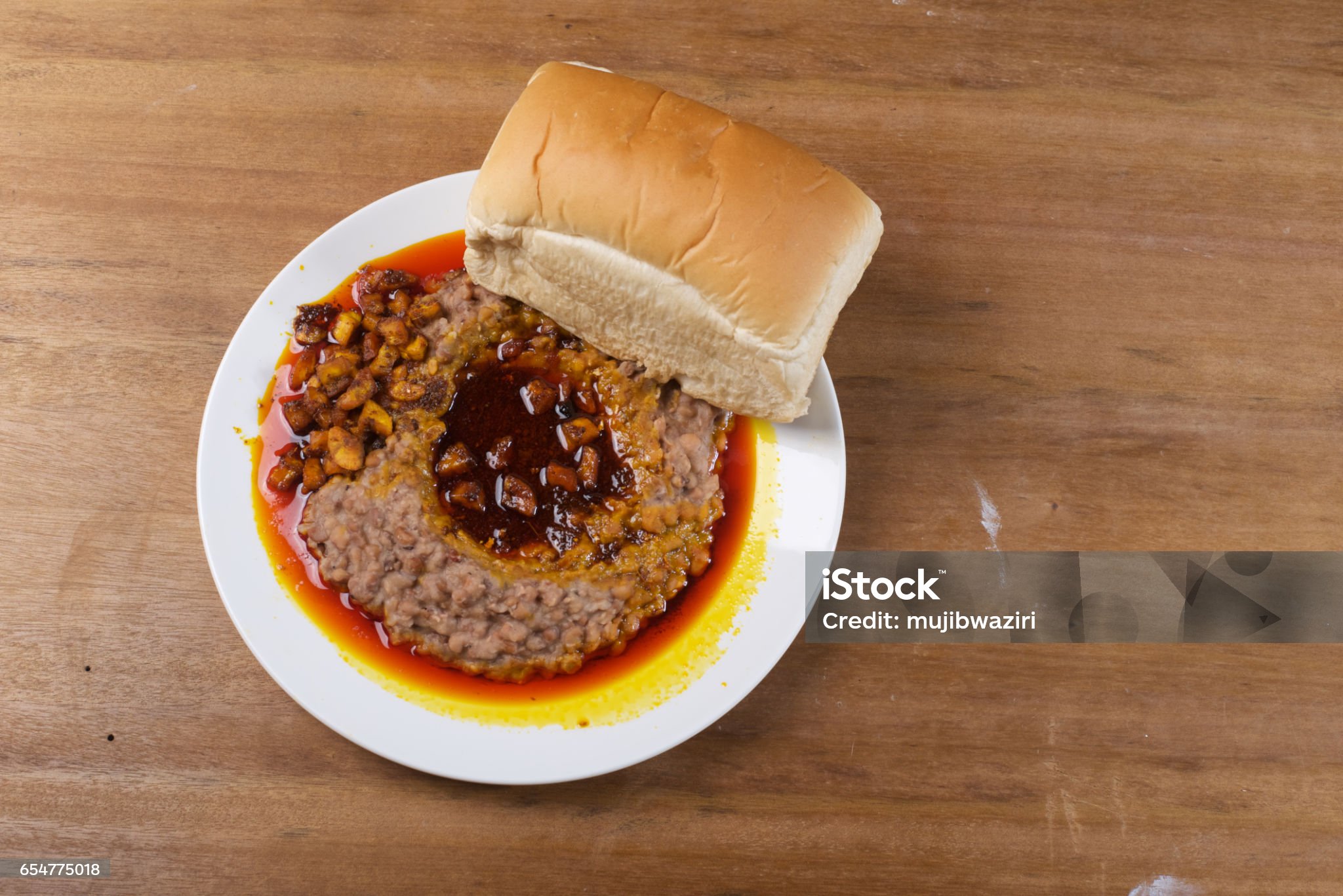
The Myth That Nigerian Food Makes You Fat
There is a persistent myth in Nigerian diet culture that you have to abandon traditional foods to lose weight. The advice is always the same: switch to salads, eat grilled chicken with steamed broccoli, drink smoothies, and avoid "swallow" entirely. This is not only unnecessary but often counterproductive. People who abandon their cultural foods for a diet that feels foreign and unsatisfying almost always revert to old habits within weeks, having lost nothing but time and motivation.
The truth is that weight loss comes down to energy balance: eating fewer calories than your body burns. This can be achieved with any cuisine, including Nigerian food. Many traditional Nigerian dishes are naturally high in protein, rich in fiber, and moderate in calories. The issue is rarely the food itself but rather the portion sizes, the amount of oil used in preparation, and the sugary drinks consumed alongside meals.
Understanding which Nigerian foods are naturally weight-loss-friendly and how to prepare them strategically allows you to eat the foods you love while making genuine progress toward your health goals.
The 15 Best Nigerian Foods for Weight Loss
1. Ewedu Soup — 35 calories per 100g
Ewedu is the undisputed champion of low-calorie Nigerian soups. Made from jute leaves (ewedu leaves), this soup is remarkably nutrient-dense relative to its calorie content. At just 35 calories per 100g, you can eat a generous 300g serving for only 105 calories, leaving plenty of room in your calorie budget for protein and a modest portion of swallow. Ewedu is rich in iron (4.8mg per 100g), calcium (210mg per 100g), and vitamin A. When paired with gbegiri and a small portion of amala, the classic "abula" combination is a satisfying, culturally authentic meal that supports weight loss.
2. Moi Moi — 120 calories per 100g
Moi moi is a steamed bean pudding made from peeled and blended black-eyed peas with peppers, onions, and seasonings. With 9g of protein and 4g of fiber per 100g, it is one of the most satiating Nigerian foods available. Because it is steamed rather than fried, it avoids the calorie explosion that comes with oil-based cooking. A serving of 200g provides 18g of protein for 240 calories. Moi moi works brilliantly as a standalone snack, a side dish, or paired with pap for a light breakfast. You can boost its protein further by adding eggs or fish during preparation.
3. Okra Soup — 90 calories per 100g
Okra soup is light, low in calories, and high in soluble fiber. The mucilaginous (slightly slimy) texture that some people debate actually provides digestive benefits, as the soluble fiber feeds beneficial gut bacteria, slows glucose absorption, and promotes prolonged feelings of fullness. When prepared with minimal palm oil and lean fish or chicken, okra soup is one of the best soup choices for anyone watching their calorie intake.
4. Pepper Soup — 85 calories per 100g
Pepper soup is a spiced, broth-based soup that is naturally low in calories because it is not thickened with seeds, starch, or excessive oil. The warming spices — uziza, ehuru, uda, and calabash nutmeg — provide antioxidants and may have modest metabolism-boosting properties. Made with catfish, chicken, or goat meat, pepper soup delivers protein in a hydrating, satisfying format. A large 400g bowl with fish gives you roughly 340 calories with substantial protein, making it a complete meal on its own without needing swallow.
5. Beans Porridge — 110 calories per 100g
Beans porridge combines the protein and fiber powerhouse of beans with vegetables and moderate oil. At 7g of protein and 4g of fiber per 100g, it keeps you full for hours. Beans have a low glycemic index, releasing energy slowly and preventing the blood sugar crashes that trigger cravings and overeating. A 300g serving provides 21g of protein for 330 calories, which is an excellent ratio for a standalone meal.
6. Grilled Suya — 210 calories per 100g
Suya is not the lowest calorie food on this list, but its 26g of protein per 100g makes it intensely satiating. Protein is the most filling macronutrient, and suya delivers it in a format that is deeply satisfying and culturally beloved. The yaji spice blend adds flavour without significant calories. The key for weight loss is choosing lean cuts and watching portion sizes. Three or four sticks of suya as part of a meal with a salad or vegetables is a solid, high-protein, weight-loss-compatible option.
7. Akara — 170 calories per 100g
Akara shares moi moi's bean base but is fried, which increases the calorie count. However, it still provides good protein from the beans and is far more nutritious than many breakfast alternatives. Limiting yourself to 3-4 pieces and pairing with pap rather than bread keeps the total meal calories reasonable at around 350-400 calories.
8. Efo Riro — 95 calories per 100g (with reduced oil)
Efo riro (spinach stew) is a nutrient powerhouse when prepared with restraint on the palm oil. The leafy greens provide iron, vitamin A, vitamin C, and folate in abundance. Adding lean protein like grilled chicken or fish transforms it into a complete, balanced meal. The traditional recipe calls for generous palm oil, but halving the oil amount reduces calories significantly while retaining the essential flavour and colour. Efo riro with fish over a small portion of rice is an excellent weight-loss meal.
9. Oha Soup — 150 calories per 100g
Oha soup is a traditional Igbo soup made with oha (ora) leaves, cocoyam paste, and assorted meat. Oha leaves are rich in iron (4.0mg per 100g) and calcium. At 150 calories with 7.5g of protein per 100g, it falls in the moderate range and works well as a nutrient-dense soup option. The cocoyam provides a natural thickening without the need for excessive oil.
10. Unripe Plantain — 120 calories per 100g
Boiled or roasted unripe plantain is significantly lower in sugar than ripe plantain and provides complex carbohydrates that digest slowly. It is also rich in resistant starch, which functions similarly to fiber in your digestive system, feeding beneficial bacteria and promoting satiety. Unripe plantain with a light fish sauce or garden egg stew is a simple, effective weight-loss meal. The critical distinction is preparation method: frying plantain more than doubles the calorie content due to oil absorption.
11. Gbegiri Soup — 110 calories per 100g
Gbegiri is a Yoruba bean soup that provides protein and fiber from its bean base. At 7g of protein and 4g of fiber per 100g, it has excellent satiety properties. Combined with ewedu and a controlled portion of amala, the classic "abula" trio is actually quite weight-loss-friendly when portions are managed.
12. Zobo — 20 calories per 100g
Zobo (hibiscus tea) deserves a place on this list because of what it replaces. The average Nigerian consumes significant daily calories from soft drinks, malt, and packaged fruit juice. Swapping these for unsweetened zobo saves 140-300 calories per glass. Zobo is rich in antioxidants, naturally refreshing, and virtually calorie-free when prepared without added sugar. If you currently drink two soft drinks per day, switching to zobo alone could create enough of a calorie deficit to lose 0.5kg per month without changing anything else about your diet.
13. Nsala Soup — 120 calories per 100g
Nsala (white soup) is an Igbo soup made without palm oil, using catfish and utazi leaves. At 120 calories per 100g with 10g of protein, it has one of the best protein-to-calorie ratios among Nigerian soups. Its light, peppery flavour makes it satisfying without the heaviness of oil-based soups.
14. Ukwa — 190 calories per 100g
Ukwa (breadfruit porridge) provides a good balance of protein (7.5g), complex carbohydrates (30g), and fiber per 100g. It is an Igbo staple that is both filling and moderately caloric, making it a good carbohydrate option for days when you want something heartier than vegetables alone.
15. Ji Mmiri Oku — 105 calories per 100g
Ji mmiri oku (yam pepper soup) combines boiled yam pieces with the warming, broth-based pepper soup. At 105 calories per 100g with 20g of carbohydrates, it is a light yet comforting dish. The broth provides volume and hydration, the yam provides sustained energy, and the pepper spice blend adds flavour without added calories.
Foods to Moderate
Some beloved Nigerian foods are calorie-dense and require portion discipline during weight loss. Fried plantain (dodo) absorbs significant oil during frying, roughly doubling the calorie count compared to boiled or roasted preparation. Chin chin and puff puff are delicious but calorie-concentrated snacks that can add 300-500 calories in a handful. Jollof rice prepared with generous oil can reach 250-300 calories per 100g. None of these foods need to be eliminated entirely, but they work best as occasional treats in controlled portions rather than daily staples during active weight loss.
A Sample 1,500-Calorie Day
Breakfast: 2 boiled eggs with a small boiled yam (150g) — approximately 350 calories, 15g protein
Lunch: Beans porridge (250g) with diced plantain — approximately 400 calories, 18g protein
Dinner: Ewedu and gbegiri soup with fish and a small portion of amala (150g) — approximately 450 calories, 22g protein
Snack: 2 pieces of moi moi — approximately 240 calories, 18g protein
Daily Total: approximately 1,440 calories, 73g protein
This is a fully Nigerian meal plan that creates a meaningful calorie deficit for most adults while providing satisfying, culturally authentic meals.
Use our food comparison tool to compare any Nigerian foods head-to-head, or browse the low calorie food guide for more options beyond Nigerian cuisine.
All nutritional values are approximate per 100g serving based on traditional preparation methods. Actual values vary based on specific recipes, oil quantities, and portion sizes.
Tags
Look Up Any Food
Search nutrition facts for over 300,000 foods in our free database.