How Many Calories Does Walking Burn? (By Speed, Weight, and Time)
Walking burns 3-6 calories per minute depending on your weight and pace. See exact calorie burn for 15, 30, 45, and 60-minute walks at every speed.
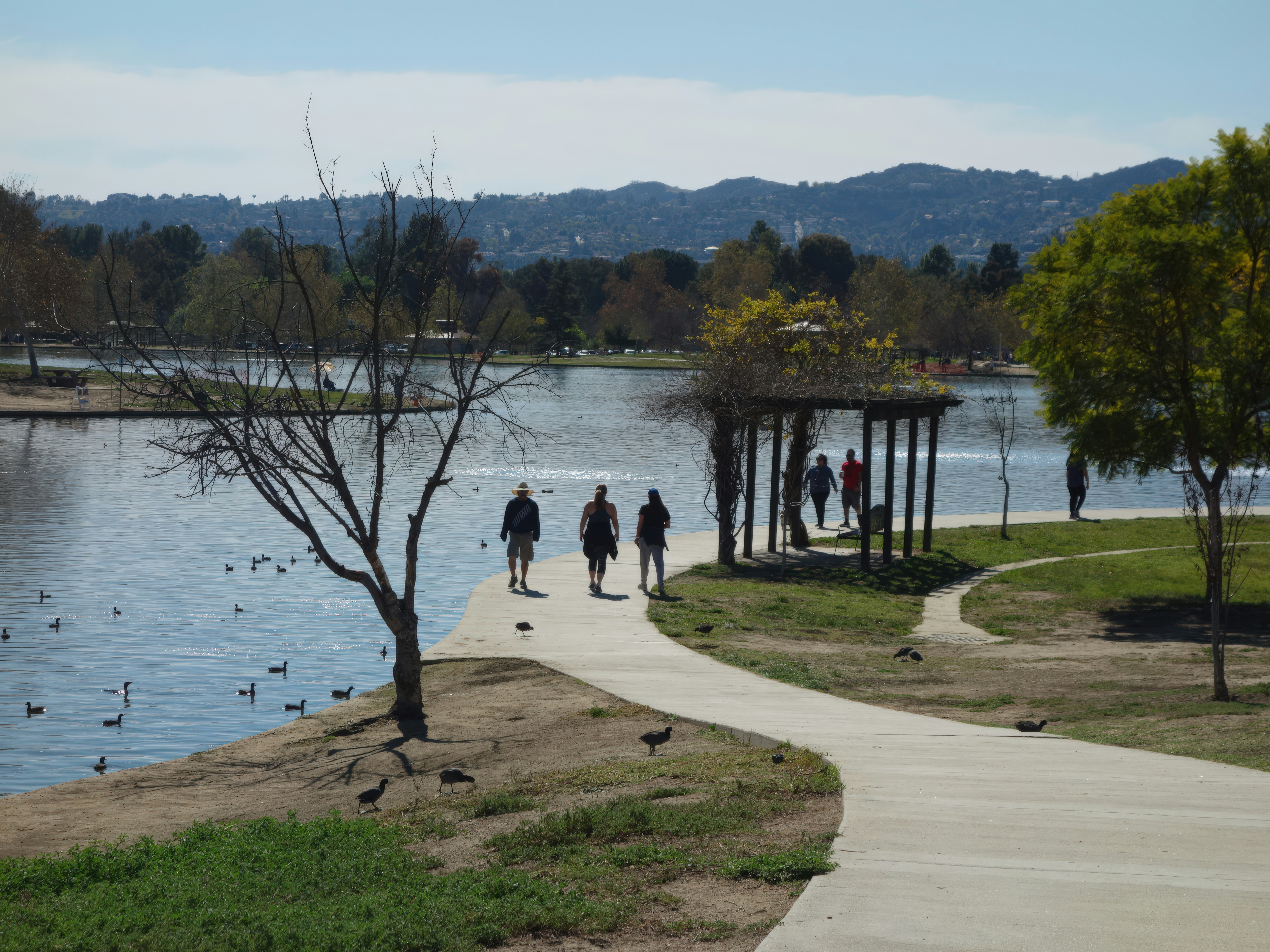
Walking: The Most Underrated Exercise for Burning Calories
Walking is free, requires no equipment, can be done almost anywhere, and burns a meaningful number of calories. Yet it is consistently overlooked in favour of more intense exercises because people assume it is "too easy" to make a difference. This assumption is wrong. Walking is the single most sustainable form of exercise for weight management, and over weeks and months, consistent walking burns thousands of calories that add up to real fat loss.
The number of calories walking burns depends on three primary variables: your body weight, your walking speed, and the duration. Terrain, temperature, and whether you are walking uphill also play roles, but weight, speed, and time account for the vast majority of the variation.
Calorie Burn by Body Weight and Duration
At a moderate walking pace of 5 km/h (3.1 mph), which is the natural brisk walking speed for most adults, approximate calorie burn by body weight is as follows.
A 55kg (120 lb) person burns approximately 150 calories in 30 minutes, 225 in 45 minutes, and 300 in 60 minutes. A 70kg (155 lb) person burns approximately 190 in 30 minutes, 285 in 45 minutes, and 380 in 60 minutes. An 80kg (175 lb) person burns approximately 215 in 30 minutes, 325 in 45 minutes, and 430 in 60 minutes. A 90kg (200 lb) person burns approximately 245 in 30 minutes, 365 in 45 minutes, and 490 in 60 minutes. A 100kg (220 lb) person burns approximately 270 in 30 minutes, 405 in 45 minutes, and 540 in 60 minutes.
These figures include only the additional calories burned from walking, above and beyond what you would burn sitting still. Your body also burns calories at its basal rate during the walk, but since you would burn those regardless, the figures above represent the exercise-specific expenditure.
How Speed Affects Calorie Burn
Walking faster burns more calories per minute, but the difference is more modest than most people expect. The relationship between speed and calorie burn is roughly linear for walking speeds between 3-6 km/h but increases more sharply above 6 km/h as the body transitions toward a jogging gait.
For a 70kg person, walking at 4 km/h (slow stroll) burns approximately 3.1 calories per minute. At 5 km/h (brisk walk) it rises to approximately 3.9 calories per minute. At 6 km/h (fast walk) it increases to approximately 4.7 calories per minute. At 6.5 km/h (very fast walk or light jog) it jumps to approximately 5.8 calories per minute.
The practical takeaway is that walking speed matters less than duration and consistency. A 60-minute slow walk burns more total calories than a 20-minute brisk walk. If you enjoy a leisurely pace, walk longer. If you prefer brisk walking, a shorter session can achieve similar results.
Incline Walking: The Calorie Multiplier
Walking uphill significantly increases calorie burn compared to flat ground. A moderate incline of 5% (roughly a gentle hill) increases calorie expenditure by approximately 15-20%. A steep incline of 10-15% (a challenging hill or treadmill incline) can increase burn by 30-50%.
For a 70kg person walking at 5 km/h, flat ground burns approximately 235 calories per hour. A 5% incline increases this to approximately 280 calories. A 10% incline pushes it to approximately 350 calories. And a 15% incline can reach 400 or more calories per hour.
If you have access to hilly terrain, incorporating hills into your walking route is one of the most effective ways to increase calorie burn without changing speed or duration. On a treadmill, the incline function achieves the same effect in a controlled environment.
Walking for Weight Loss: The Practical Guide
To lose 0.5kg per week from walking alone, you need to burn approximately 500 extra calories per day through walking (or a combination of walking and dietary changes). For a 70kg person, this requires roughly 75-90 minutes of brisk walking per day, which is achievable but time-consuming.
The more realistic and effective approach is combining moderate walking (30-45 minutes per day, burning 190-285 calories) with a modest calorie deficit of 200-300 calories through diet. Together, these create the 400-500 calorie daily deficit needed for steady weight loss without requiring either extreme exercise or extreme dietary restriction.
The beauty of walking for weight loss is its sustainability. High-intensity exercise programmes have high dropout rates because they are physically demanding, time-consuming, and require recovery. Walking can be done every single day without rest days, requires no warm-up or cool-down, causes essentially zero injury risk, and can be integrated into your daily routine rather than requiring dedicated gym time.
Walking vs Running: A Calorie Comparison
For the same duration, running burns approximately 2-2.5 times more calories than walking. A 70kg person burns about 380 calories walking briskly for 60 minutes versus about 700 calories running for 60 minutes. Running is clearly more efficient per minute.
However, most people can walk for much longer than they can run. Someone who cannot sustain a 30-minute run can easily walk for 60-90 minutes. The total calorie burn from a 90-minute walk (approximately 570 calories for a 70kg person) approaches or exceeds the burn from a 30-minute run (approximately 350 calories).
Additionally, running creates injury risk (knee, hip, ankle, and foot injuries) that walking does not. For people who are overweight, have joint problems, or are new to exercise, walking is the safer and more practical choice.
Making Walking a Daily Habit
The most effective walking strategy is making it automatic rather than requiring daily motivation. Walk to work or to the bus stop. Take a 15-minute walk after lunch. Walk during phone calls. Use stairs instead of lifts. Park at the far end of car parks. Walk to nearby errands instead of driving.
These micro-walks accumulate throughout the day. Ten minutes here, fifteen minutes there, and a 20-minute evening walk add up to 45 minutes of daily walking without ever setting aside a dedicated "exercise" block.
Track your steps if it helps motivation. Most smartphones can do this automatically. Aim for gradual increases: if you currently average 3,000 steps per day, target 5,000 for two weeks, then 7,000, then 8,000-10,000. Read our detailed guide on how many calories 10,000 steps burn for more on step-based goals.
Use our food search tool to ensure your food intake aligns with your walking-based calorie burn for optimal weight management.
Calorie estimates are based on MET values from the Compendium of Physical Activities and vary by individual factors including fitness level, body composition, and walking efficiency.
Tags
Look Up Any Food
Search nutrition facts for over 300,000 foods in our free database.