How to Build a Balanced Meal: The Plate Method Explained
Learn the simple plate method to build perfectly balanced meals every time. No calorie counting needed — just divide your plate into three sections.
Why Most People Struggle with Balanced Meals
Most people know they should eat balanced meals but have no practical framework for what "balanced" actually looks like on a plate. The result is meals that are either carbohydrate-heavy (a big plate of rice with a small amount of stew), protein-deficient (bread with butter for dinner), or lacking vegetables entirely (pasta with sauce, no greens).
The plate method, developed by nutrition researchers and endorsed by organisations including the American Diabetes Association and the Harvard T.H. Chan School of Public Health, provides a visual framework that anyone can apply at any meal without counting a single calorie.
The Three Sections
Imagine your plate divided into three sections.
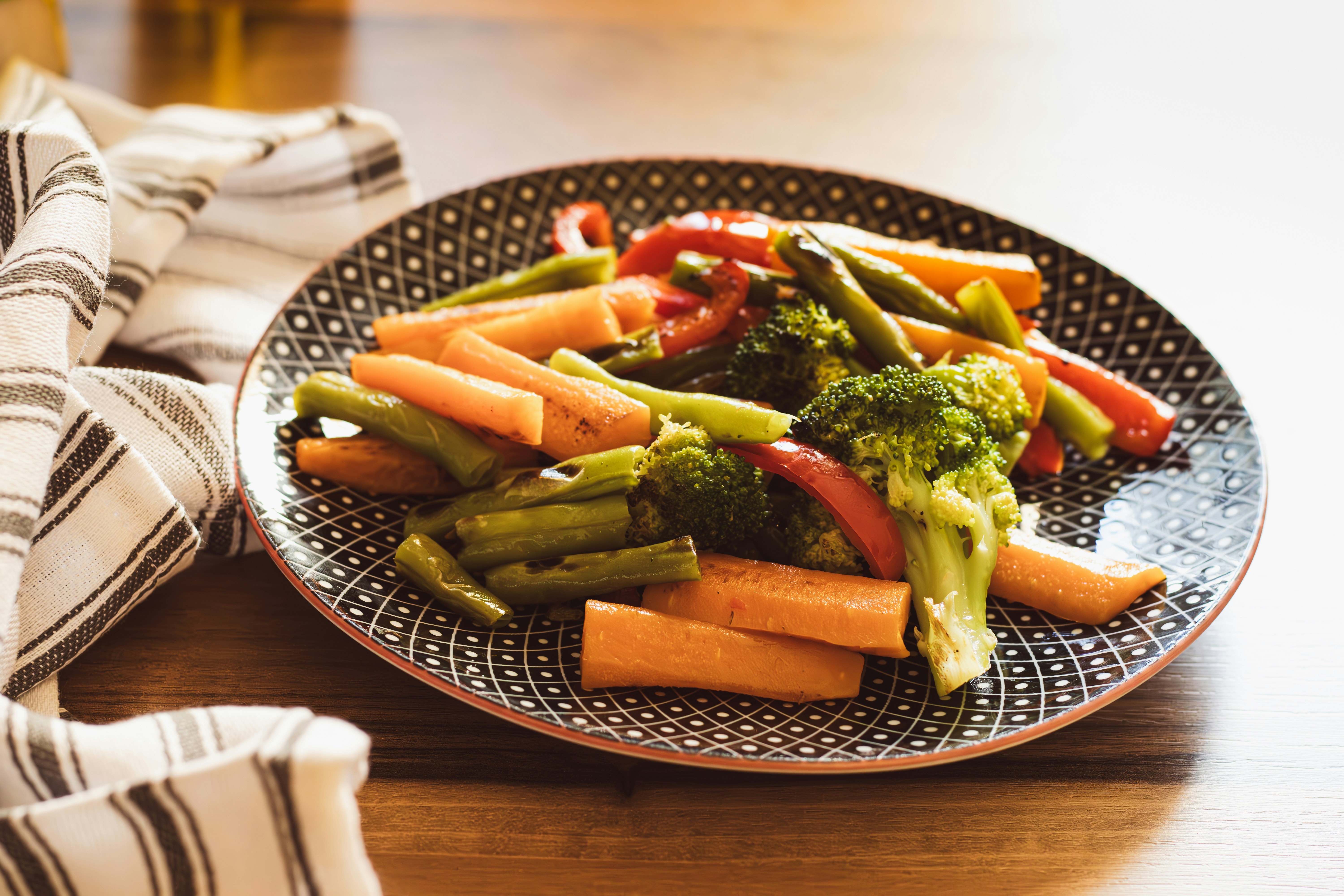
Half the plate: vegetables and fruits. This is the section most people drastically underfill. Vegetables provide vitamins, minerals, fiber, and phytonutrients for minimal calories. They add volume and satiety to your meal without adding significant energy. Leafy greens, tomatoes, peppers, cucumbers, carrots, broccoli, cabbage, okra, ewedu, and other non-starchy vegetables all belong here. Fruits can fill part of this section as well.
In a Nigerian context, this means your vegetable soup (efo riro, ewedu, okra) should not be a small afterthought alongside a massive pile of swallow. The soup and its vegetables should be the star, with the swallow playing a supporting role.
One quarter: protein. This section should contain a palm-sized portion of protein-rich food: chicken, fish, beef, eggs, beans, lentils, tofu, or moi moi. Protein is the most satiating macronutrient and the most important for maintaining muscle mass, immune function, and metabolic health. Most adults need 1.2-2.0g of protein per kilogram of body weight daily, according to the International Society of Sports Nutrition.
For Nigerian meals, this means adequate meat or fish in your soup, a side of eggs, or a protein-rich base like beans porridge. If your soup contains only a small piece of meat in a large bowl of broth, the protein portion is insufficient.
One quarter: carbohydrates. Rice, yam, plantain, bread, pasta, potatoes, eba, amala, pounded yam, or any other starchy food fills this section. This is typically the section that needs to shrink for most people. A quarter of the plate translates to roughly 150-200g of cooked carbohydrate, which is smaller than the typical serving many people are accustomed to.
Applying the Plate Method to Nigerian Meals
Jollof rice meal: One quarter of the plate is jollof rice (150g). One quarter is grilled chicken or fish. Half the plate is salad or coleslaw and plantain (or additional vegetables).
Swallow meal: One quarter is eba or pounded yam (120-150g). One quarter is the meat or fish from the soup. Half the plate is the vegetable soup itself — a generous helping of egusi with spinach, efo riro, or okra soup.
Rice and stew: One quarter is rice. One quarter is the protein in the stew (beef, chicken, or fish). Half the plate is steamed or sauteed vegetables alongside the rice.
The British Nutrition Foundation has validated the plate method as one of the simplest evidence-based tools for improving diet quality in populations that do not want to count calories or track macros.
Why the Plate Method Works for Weight Loss
By filling half your plate with vegetables (which are very low in calories but high in volume), you naturally reduce the calorie density of your meals. A plate that is half vegetables, one quarter protein, and one quarter carbs typically contains 400-600 calories. A plate that is three quarters carbs with a small amount of protein and no vegetables can easily exceed 800-1,000 calories.
You eat roughly the same volume of food with both approaches, so you feel equally full. But the calorie difference over three meals per day adds up to 600-1,200 fewer calories, enough to produce consistent weight loss without ever feeling deprived.
Explore our food search tool to check the calorie content of your plate components, or read our calorie deficit guide for a deeper understanding of how calorie balance drives weight management.
The plate method is not a rigid prescription. It is a visual guideline that helps you make better proportional choices at every meal. Even a rough approximation is vastly better than no framework at all.
Tags
Look Up Any Food
Search nutrition facts for over 300,000 foods in our free database.