How to Eat Healthy on a Budget (Without Sacrificing Nutrition)
Eating healthy does not have to be expensive. Learn practical strategies to eat nutritious meals on a tight budget with affordable food swaps and meal ideas.
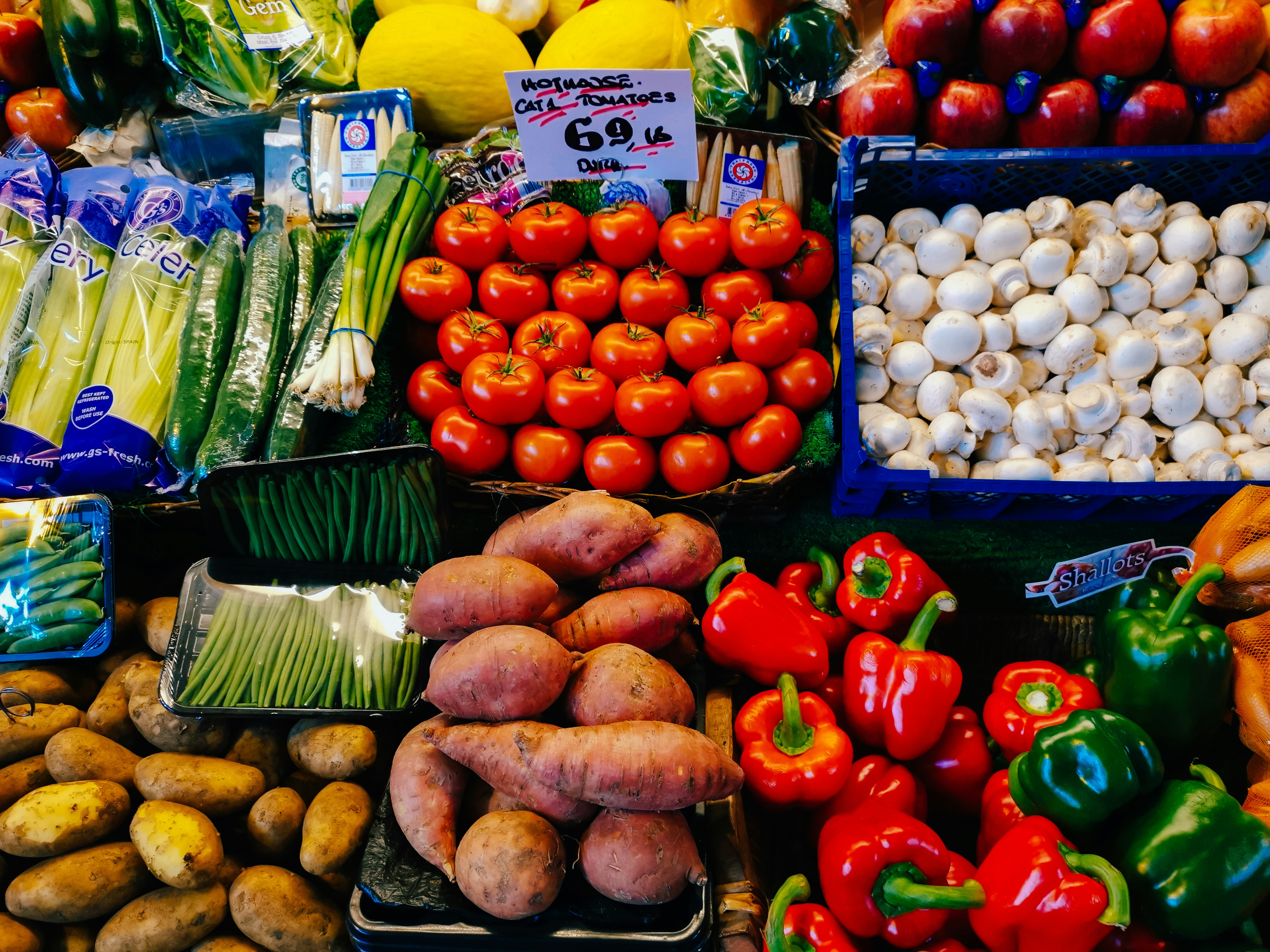
Healthy Eating Does Not Require a Premium Budget
One of the most persistent myths in nutrition is that eating healthy is expensive. While organic specialty foods, exotic superfoods, and premium supplements certainly carry high price tags, they are not necessary for excellent nutrition. The foundations of a healthy diet — whole grains, beans, eggs, seasonal vegetables, and affordable protein sources — are among the cheapest foods available in any market.
Research from the Harvard T.H. Chan School of Public Health has consistently shown that a nutritious diet built around whole foods costs only modestly more than a processed food diet, and in many developing countries, traditional whole food diets are actually cheaper than processed alternatives.
The key is strategy: knowing which foods deliver the most nutrition per unit of currency, where to shop, how to reduce waste, and which expensive items can be replaced with affordable alternatives without sacrificing nutritional quality.
The Most Nutritious Affordable Foods
Eggs are arguably the single best nutritional bargain available anywhere in the world. At roughly ₦100-150 per egg in Nigeria (or $0.25-0.50 elsewhere), each egg provides 6.3g of complete protein, vitamin D, B12, choline, selenium, and virtually every micronutrient your body needs. Three eggs for breakfast costs less than a bottle of soft drink and provides 19g of protein. Read our complete egg nutrition breakdown for the full picture.
Beans and lentils provide the cheapest protein per gram of any food category. A kilogram of dried beans costs a fraction of a kilogram of meat but provides comparable protein alongside fiber, iron, folate, and magnesium. Beans porridge at 7g of protein per 100g is one of the most cost-effective meals in Nigerian cuisine. The United Nations World Food Programme identifies beans and lentils as among the most important foods for global nutrition security precisely because of their affordability and nutritional density.
Oats cost very little per serving and provide beta-glucan fiber (proven to lower cholesterol), sustained energy, and a base that can be dressed up with affordable toppings. See our oats vs bread comparison for how oats compare nutritionally.
Canned fish (sardines, mackerel, tuna) provides protein, omega-3 fatty acids, calcium (from the bones in sardines), and vitamin D at a fraction of the cost of fresh fish. A single tin of sardines provides roughly 25g of protein.
Seasonal vegetables from local markets are dramatically cheaper than out-of-season imports from supermarkets. In Nigeria, vegetables like ewedu leaves, spinach, okra, tomatoes, and peppers are affordable year-round from local sellers. The Food and Agriculture Organization recommends purchasing seasonal produce as the primary strategy for affordable nutrition.
Rice and garri provide affordable calories and energy. While not nutrient-dense on their own, when paired with protein-rich soups, beans, or eggs, they form the backbone of balanced, budget-friendly meals. Our brown rice vs white rice guide helps you choose the most nutritious option.
Smart Shopping Strategies
Buy staples in bulk. Rice, beans, garri, and oats all have long shelf lives and cost significantly less per kilogram when purchased in larger quantities. Store them in airtight containers away from heat and moisture.
Shop at local markets rather than supermarkets for fresh produce and proteins. The markup at supermarkets in Nigeria can be 30-100% higher than market prices for identical items.
Buy whole chickens and break them down at home rather than purchasing pre-cut pieces. A whole chicken yields breast, thighs, drumsticks, wings, and bones for stock — all at a lower per-kilogram price.
Plan meals before shopping. The British Nutrition Foundation estimates that households that plan meals before shopping reduce food waste by 25-30% and spend 20% less on groceries. Write a list based on your weekly meal plan and stick to it.
Expensive Foods You Can Skip
Protein powder is one of the most expensive ways to consume protein per gram. A serving costs ₦500-1,000 and provides 25g of protein. Four boiled eggs provide 25g of protein for ₦400-600 and come with vitamins and minerals that powder lacks.
Imported fruits like blueberries, avocados (in some regions), and exotic berries carry premium prices. Local fruits like bananas, oranges, watermelon, pawpaw, and mangoes provide comparable vitamins at a fraction of the cost.
Pre-packaged health foods like granola bars, protein bars, and "health" cereals are expensive, often high in added sugar, and easily replaced with whole food alternatives. A banana with peanut butter provides similar nutrition to a ₦500 protein bar for under ₦200.
Use our food comparison tool to compare the nutritional value of expensive versus affordable food options, or search the food database to find the best nutrition within your budget.
Eating well on a budget is not about finding cheap health foods. It is about recognising that the healthiest foods — eggs, beans, vegetables, oats, and whole grains — have always been among the most affordable.
Tags
Look Up Any Food
Search nutrition facts for over 300,000 foods in our free database.