Intermittent Fasting for Beginners: Complete Guide and What to Eat
Start intermittent fasting the right way. Learn the 16:8 method, what to eat during your eating window, and which foods help you fast longer without hunger.
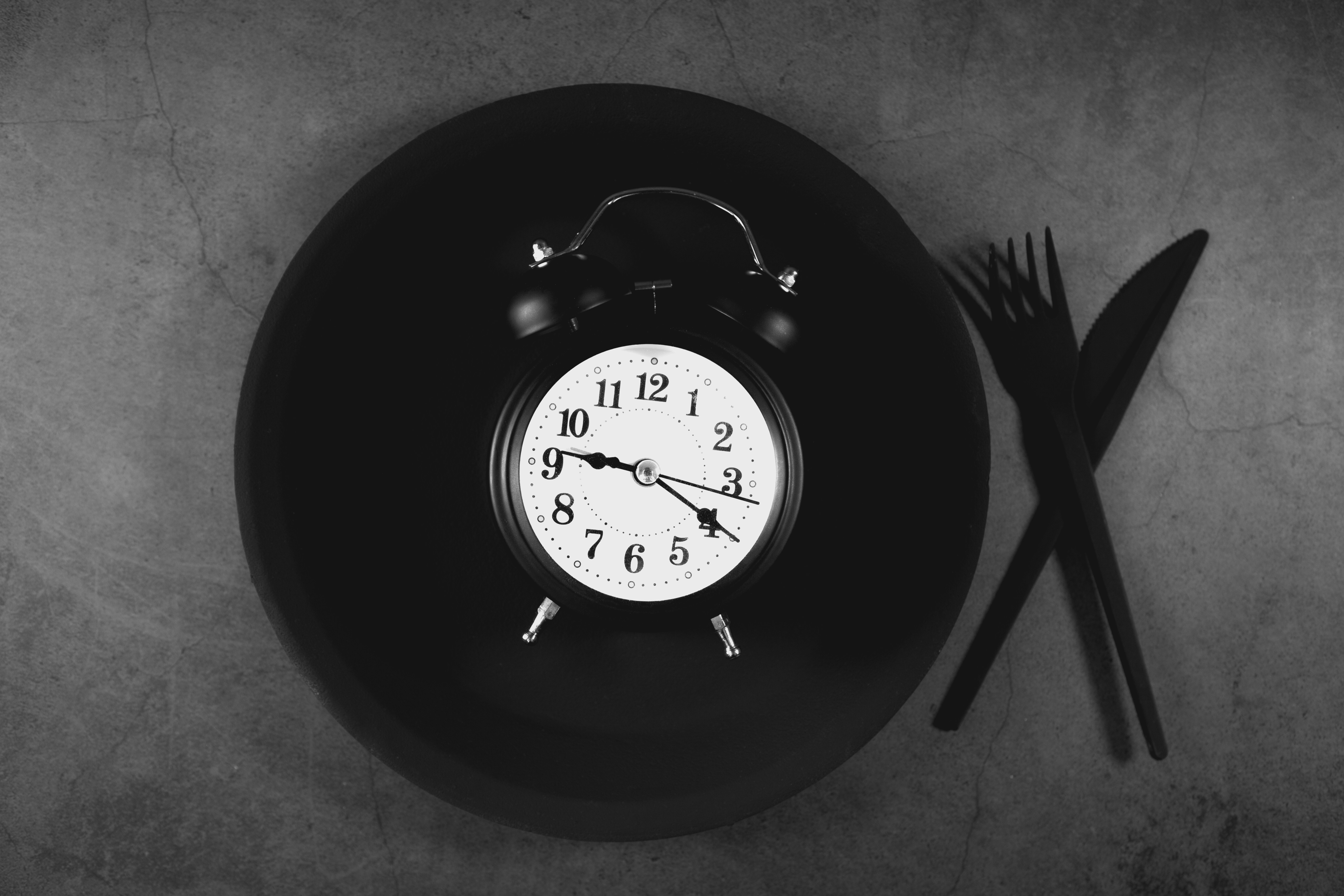
What Intermittent Fasting Actually Is (and Is Not)
Intermittent fasting (IF) is an eating pattern, not a diet. It does not tell you what to eat; it tells you when to eat. You cycle between periods of eating and fasting, and within your eating window, you consume your normal daily food intake. The concept is ancient, but its modern popularity as a weight management tool has exploded over the past decade.
The most important thing to understand upfront is that intermittent fasting works for weight loss because it helps most people eat fewer total calories. It is not metabolic magic. There is no secret fat-burning switch that activates at hour 14 of a fast. The mechanism is practical: by compressing eating into a shorter window, you have fewer opportunities to consume food, and most people naturally eat less as a result. Some research does suggest additional benefits from the fasting state itself, including improved insulin sensitivity, reduced inflammation markers, and enhanced cellular autophagy (a process where cells clean out damaged components), but the primary weight loss driver remains reduced calorie intake.
This matters because it means IF does not override the laws of energy balance. If you eat 3,000 calories in an 8-hour window, you will not lose weight, regardless of how long you fasted. IF is a framework that makes calorie reduction easier for many people, not a license to eat without restraint during the eating window.
The Most Popular Methods
The 16:8 method is the most widely practiced and the best starting point for beginners. You fast for 16 hours and eat within an 8-hour window. For most people, this simply means skipping breakfast: stop eating after dinner at 8pm, skip breakfast the next morning, and have your first meal at noon. Your eating window runs from noon to 8pm, during which you eat two or three normal meals.
The beauty of 16:8 is that 7-8 hours of fasting occur while you sleep, making the actual "felt" fasting period only about 8 hours. Most people find this manageable within the first week, especially since morning hunger tends to be habitual rather than physiological, and it fades quickly once you break the breakfast routine.
The 18:6 method compresses the eating window to 6 hours, typically 1pm to 7pm. This gives you time for two solid meals and perhaps a snack. It requires more discipline but produces slightly greater calorie reduction for most people.
The 5:2 method takes a different approach: eat normally five days per week and restrict calories to 500-600 on two non-consecutive days. This is more flexible in terms of daily scheduling but can be harder psychologically, as the very-low-calorie days can feel restrictive.
OMAD (One Meal a Day) is the most extreme common protocol: a 23:1 fast with all calories consumed in a single meal. This is not recommended for beginners and can make it difficult to consume adequate nutrition in one sitting.
For beginners, start with 16:8. It has the most research support, the lowest barrier to entry, and the highest long-term adherence rates.
What Breaks a Fast
Strictly speaking, anything with calories breaks your fast. During fasting hours, you can consume water (still or sparkling), black coffee (no milk, cream, sugar, or sweeteners), plain tea (green, black, herbal), and zero-calorie beverages. Black coffee is particularly helpful because caffeine is a natural appetite suppressant and can make the fasting period significantly more comfortable.
Adding milk, cream, sugar, honey, or flavoured creamers to your coffee breaks the fast because these contain calories that trigger an insulin response. Even a splash of milk (about 10 calories) technically breaks the fast, though the practical impact on weight loss may be negligible for some people.
Bone broth is a grey area: it contains some calories and protein but is often recommended during extended fasts for its electrolyte content. For standard 16:8 fasting, sticking to water, black coffee, and plain tea during fasting hours keeps things simple and maximizes results.
What to Eat During Your Eating Window
Your food choices during the eating window determine whether IF succeeds or fails for you. Fasting for 16 hours does not earn you a pass to eat junk food for 8 hours. The quality and composition of your meals still drives both your results and how you feel.
Protein should be the foundation of every meal. Aim for 25-40g of protein at each meal within your eating window. This is even more important during IF than normal eating because you are compressing your protein intake into fewer meals, and adequate protein prevents the muscle loss that can occur during any form of calorie restriction. Excellent sources include eggs, chicken breast, fish, Greek yogurt, lean beef, beans, and lentils. Explore our high protein food guide for a complete list.
Healthy fats extend satiety between meals. Fats slow gastric emptying, meaning food stays in your stomach longer and you feel full for more hours. Avocados, nuts, olive oil, and fatty fish like salmon provide fats that support both satiety and overall health. Including a fat source at your first meal helps sustain you through to the next one.
Fiber prevents digestive issues and extends fullness. High-fiber foods like vegetables, beans, oats, and fruits should feature prominently. Fiber absorbs water and expands in the stomach, creating physical fullness signals. It also feeds beneficial gut bacteria. See our high fiber food guide for options.
Vegetables should fill at least half your plate at each meal. They provide vitamins, minerals, and phytonutrients with minimal calories, and their volume helps compensate for the reduced eating time.
Breaking Your Fast: The First Meal
After 16 hours without food, your digestive system is in a rested state. Jumping immediately into a massive, heavy meal can overwhelm your gut and cause bloating, cramping, and energy crashes. The transition back to eating should be gradual and deliberate.
A good first-meal template: a palm-sized portion of protein, a fist-sized portion of complex carbohydrates, generous vegetables, and a thumb-sized portion of healthy fat. Examples include three boiled eggs with whole wheat toast and avocado, grilled chicken with rice and salad, or a protein-rich smoothie with banana, Greek yogurt, and peanut butter.
For Nigerian food lovers, beans porridge is an excellent first meal: the combination of protein and fiber from beans provides sustained energy and fullness. Moi moi with pap is another strong option. Pepper soup with fish is gentle on the stomach and protein-rich. These foods ease your digestive system back into action while providing the nutrients your body needs.
Surviving the Fasting Period
The first week of IF is the hardest. Hunger comes in waves, particularly at the times your body is accustomed to eating. Morning hunger between 7-9am will be the most intense for people who normally eat breakfast. This hunger is largely hormonal (ghrelin, the hunger hormone, spikes at habitual meal times) and does not indicate a genuine physiological need for food.
Strategies that help: stay busy during fasting hours, as boredom triggers far more eating than actual hunger does. Drink water frequently, because thirst is often misinterpreted as hunger. Black coffee suppresses appetite effectively for most people. Start gradually by pushing breakfast back by one hour each day over a week rather than jumping straight to a 16-hour fast. And remember that hunger comes in waves that last 15-30 minutes and then pass — they do not steadily intensify.
By week two or three, most people report that fasting feels natural and that they no longer experience significant morning hunger. Many discover they feel more alert and focused during fasting hours than they did when eating breakfast.
Common Mistakes
Overeating during the window. The most common and most consequential mistake. IF creates a calorie deficit only if you actually eat less than you burn. Consuming 2,500 calories in 8 hours produces the same surplus as consuming 2,500 calories across 16 hours. Track your intake for at least the first month to ensure your eating window actually results in reduced consumption.
Skimping on protein. Insufficient protein during any calorie restriction leads to muscle loss, a slower metabolism, and a softer body composition. Prioritize protein at every meal: use our food search to find the highest-protein options available to you.
Choosing the wrong window. If you train at 7am, fasting until noon means exercising without fuel and spending 5 hours post-workout without protein for recovery. Adjust your window to match your lifestyle. There is nothing sacred about noon-to-8pm; 10am-6pm or 8am-4pm works equally well.
Giving up too soon. The adaptation period is 5-10 days for most people. If you quit after 3 days because you felt hungry, you never gave your body the chance to adjust. Commit to a minimum 2-week trial before evaluating whether IF works for you.
Who Should Not Do IF
Intermittent fasting is not appropriate for everyone. Pregnant or breastfeeding women need consistent nutrient intake. Children and teenagers should not restrict eating windows during growth periods. People with a history of eating disorders may find that IF triggers restrictive behaviours. People with type 1 diabetes or those taking insulin need to coordinate meal timing with medication. Anyone who is underweight should not further restrict eating opportunities.
If you have any medical condition, consult your doctor before starting IF.
Use our food search to plan your eating window meals, or check out our 7-day high protein meal plan for structured meal ideas that work within a compressed eating window.
Always consult a healthcare professional before starting any new eating pattern.
Tags
Look Up Any Food
Search nutrition facts for over 300,000 foods in our free database.