Beans vs Yam: Calories, Protein, and Which Is Better for Weight Loss
Compare beans and yam nutrition side by side. See which Nigerian staple has more protein, fewer calories, and better nutrition for your health goals.
Two Nigerian Staples, Very Different Nutritional Profiles
Beans and yam are two of the most consumed staple foods in Nigeria, but nutritionally they could hardly be more different. Yam is essentially a starchy carbohydrate source, while beans are a protein and fiber powerhouse. Understanding these differences helps you build meals that are balanced, satisfying, and aligned with your health goals, whether that is weight loss, muscle building, or simply eating well.
Both foods are deeply rooted in Nigerian culture. Yam is celebrated with its own festival (New Yam Festival) and serves as the base for pounded yam, boiled yam with stew, yam porridge, and fried yam. Beans appear as beans porridge, moi moi, akara, gbegiri, and as a protein-rich side dish across all Nigerian cuisines. The question is not which one to eat, both belong in a healthy Nigerian diet, but how to use each strategically.
The Nutritional Comparison
Boiled white yam provides approximately 118 calories, 1.5g of protein, 28g of carbohydrates, 0.2g of fat, and 1.5g of fiber per 100g. Yam is primarily a carbohydrate source, delivering energy through starch with minimal protein or fat. It provides meaningful amounts of potassium (816mg per 100g, more than a banana), vitamin C (17mg per 100g, though cooking reduces this), and manganese. Yam is one of the better carbohydrate sources for potassium, which supports blood pressure regulation and muscle function.
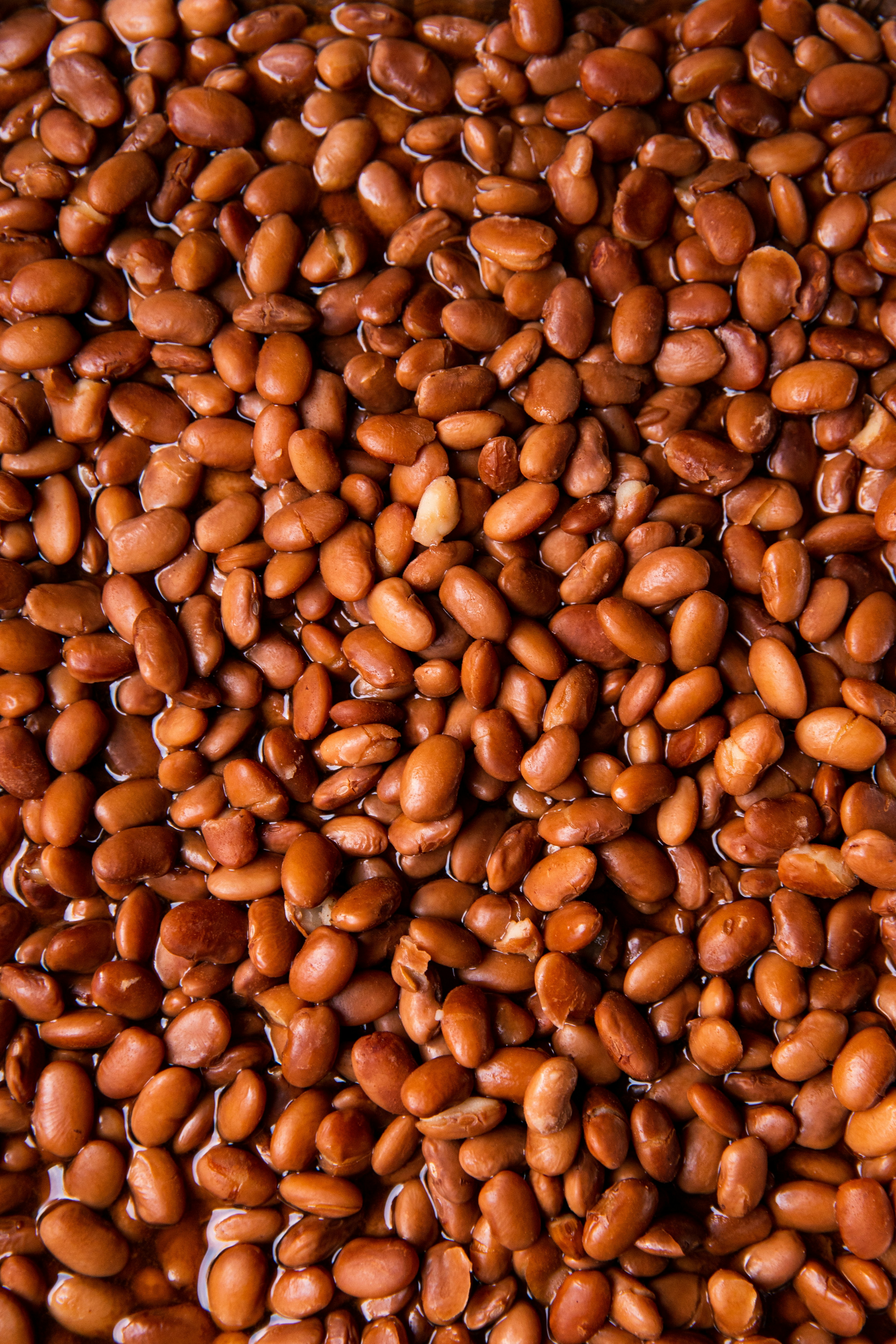
Cooked beans (black-eyed peas) provide approximately 116 calories, 7.7g of protein, 20.8g of carbohydrates, 0.5g of fat, and 6.5g of fiber per 100g. Beans deliver over five times the protein and over four times the fiber of yam, at virtually the same calorie level. They are also excellent sources of folate (crucial for pregnant women), iron, magnesium, and zinc.
The calorie counts are remarkably similar at 118 versus 116 per 100g. But the composition of those calories is dramatically different, and this difference drives their contrasting effects on your body.
For Weight Loss: Beans Win Decisively
If you are trying to lose weight, beans are the superior choice and it is not close. The combination of high protein (7.7g) and high fiber (6.5g) per 100g makes beans one of the most satiating foods available in the Nigerian diet. Protein suppresses the hunger hormone ghrelin and stimulates satiety hormones. Fiber absorbs water and expands in your stomach, creating physical fullness. Together, they keep you satisfied for hours after eating.
Yam, by contrast, is mostly starch with minimal protein and moderate fiber. It provides quick energy but does not sustain fullness the way beans do. A 300g serving of boiled yam gives you 354 calories with only 4.5g of protein. The same 300g of beans gives you 348 calories with 23g of protein and nearly 20g of fiber. Your body treats these two meals completely differently in terms of satiety and metabolic response.
This does not mean yam is bad for weight loss. Boiled yam is a reasonable carbohydrate choice at 118 calories per 100g, especially when paired with protein-rich accompaniments like fish, eggs, or beans. The issue arises when yam is eaten in large portions with minimal protein, or worse, when it is fried (which more than doubles the calorie content to 270+ per 100g).
For anyone actively working to lose weight, beans porridge is one of the best standalone meals in Nigerian cuisine. Read our full guide on the best Nigerian foods for weight loss for more options.
For Blood Sugar Control: Beans Win Again
Beans have a low glycemic index of approximately 33-40, while boiled yam has a moderate to high GI of approximately 54-70 depending on the variety and cooking time. This difference is significant for anyone with type 2 diabetes, prediabetes, or insulin resistance.
When you eat yam, the starch is broken down relatively quickly into glucose, causing a noticeable rise in blood sugar. When you eat beans, the combination of protein, fiber, and complex carbohydrates slows glucose release dramatically. Blood sugar rises gently and stays stable for hours rather than spiking and crashing.
The practical application: if you eat yam and beans together (as in yam and beans porridge), the beans slow down the glycemic impact of the yam. This combination is nutritionally superior to eating either food alone.
For Muscle Building: Beans Provide the Protein
Beans deliver 7.7g of protein per 100g, while yam provides only 1.5g. For anyone building muscle or simply trying to maintain lean mass during aging, beans are the more practical staple. A 400g serving of beans porridge provides roughly 31g of protein, comparable to a chicken breast.
However, bean protein is not complete on its own; it is low in the amino acid methionine. Combining beans with grains like rice, or eating a varied diet that includes animal proteins, ensures you get all essential amino acids. The traditional Nigerian combination of rice and beans is nutritionally complementary for exactly this reason.
Yam contributes essentially no meaningful protein to your diet. It serves as an energy source, which is valuable for fueling workouts, but it does not support muscle repair or growth.
When to Choose Yam
Yam is not nutritionally inferior to beans in every context. It is the better choice when you need quick, accessible energy before or after intense physical activity. Its high potassium content (816mg per 100g) supports muscle function and electrolyte balance, which matters for active people and athletes.
Yam also provides more vitamin C than beans when lightly cooked, and its starchy carbohydrates replenish glycogen stores efficiently after exercise. For physically active people who need more carbohydrates in their diet, yam is a solid whole-food carbohydrate source that is far more nutritious than refined alternatives like white bread or sugary cereals.
Boiled or roasted yam with a protein-rich accompaniment (eggs, fish, bean stew) makes a balanced, nutritious meal. The key is portion control and what you pair it with.
The Best Strategy: Eat Both
Rather than choosing one over the other, the most nutritious approach is to include both in your weekly diet while adjusting proportions based on your goals. If you are trying to lose weight, make beans the more frequent choice and keep yam portions moderate. If you are physically active and need more energy, include more yam alongside adequate protein from beans, fish, eggs, or meat.
The classic combination of yam and beans together, whether as yam porridge with beans, boiled yam with bean stew, or even ji mmiri oku (yam pepper soup) with a side of moi moi, delivers the best of both foods: sustained energy from yam plus protein and fiber from beans.
Use our food comparison tool to compare any two Nigerian foods side by side, or check the food search for exact nutritional values.
All nutritional values are per 100g cooked and sourced from the USDA FoodData Central database.
Tags
Look Up Any Food
Search nutrition facts for over 300,000 foods in our free database.