How Many Calories in a Banana? Full Nutrition Facts by Size
A medium banana has 105 calories. See the full calorie and nutrition breakdown for small, medium, and large bananas plus how bananas fit into your diet goals.
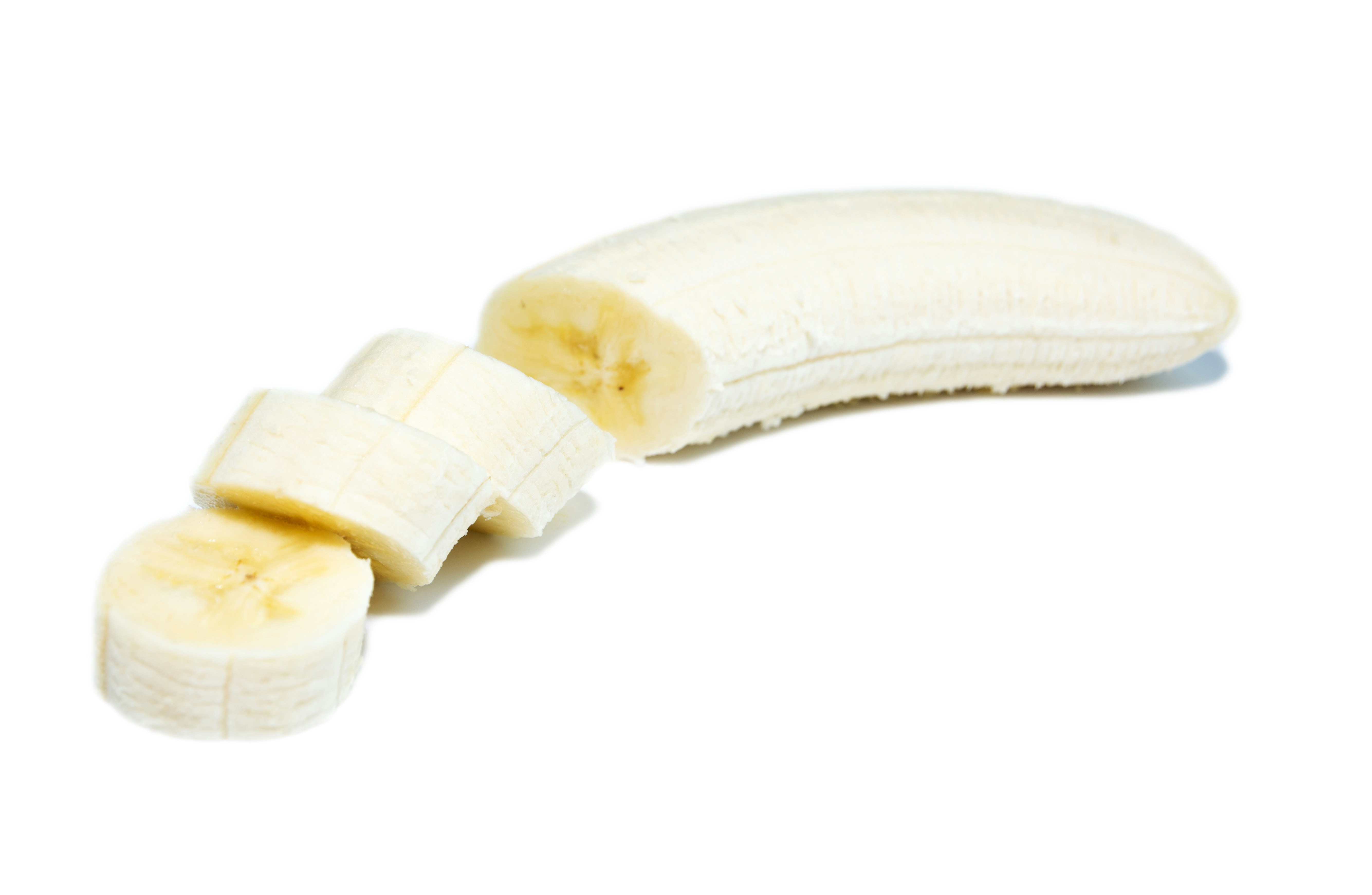
One Medium Banana: 105 Calories
A medium banana (about 18-20cm long, roughly 118g) contains approximately 105 calories, 1.3g of protein, 27g of carbohydrates, 0.4g of fat, and 3.1g of fiber. The carbohydrates come primarily from natural sugars (14g) and starch, with the ratio shifting as the banana ripens: greener bananas have more resistant starch and less sugar, while fully ripe bananas have more sugar and less starch.
Bananas are one of the most commonly searched foods for calorie content, and for good reason. They are eaten worldwide, require no preparation, come in their own natural packaging, and are one of the cheapest fruits available. Understanding their nutritional profile helps you fit them into whatever eating pattern you follow.
Calories by Size
Not all bananas are equal. The calorie content scales with size.
An extra-small banana (less than 15cm, about 81g) contains roughly 72 calories and 19g of carbohydrates. A small banana (15-18cm, about 101g) contains approximately 90 calories and 23g of carbohydrates. A medium banana (18-20cm, about 118g) provides 105 calories and 27g of carbs. A large banana (20-23cm, about 136g) delivers 121 calories and 31g of carbohydrates. An extra-large banana (23cm or longer, about 152g) contains approximately 135 calories and 35g of carbs.
The difference between a small and large banana is about 30 calories, which is relatively insignificant in the context of a full day's eating. Choose whatever size is available and do not stress about it.
Why Bananas Are More Nutritious Than Their Simple Reputation Suggests
Bananas are often dismissed as "just sugar" by low-carb enthusiasts, but this oversimplification ignores their substantial micronutrient content. A medium banana provides 422mg of potassium (12% of the daily value), which is more than most other common fruits and supports blood pressure regulation, muscle function, and heart health. The World Health Organization recommends increasing potassium intake through foods like bananas to reduce the risk of cardiovascular disease.
Bananas also provide 10.3mg of vitamin C (11% DV), 0.43mg of vitamin B6 (25% DV), 31.9mg of magnesium (8% DV), and meaningful amounts of manganese and folate. Vitamin B6 is particularly notable: a single banana provides a quarter of the daily requirement, supporting brain function, immune health, and the production of haemoglobin.
The fiber content (3.1g per medium banana) includes both soluble and insoluble fiber. The soluble fiber, particularly pectin, slows digestion and moderates blood sugar response. Greener bananas also contain resistant starch, which functions like fiber in the digestive system, feeding beneficial gut bacteria and contributing to colon health. Research from the American Journal of Clinical Nutrition has shown that resistant starch improves insulin sensitivity and may reduce the risk of type 2 diabetes.
Bananas and Weight Loss: Friend or Foe?
At 105 calories, a banana is a moderate-calorie snack that provides genuine nutritional value. Compare this to common alternatives: a small bag of crisps (150-200 calories with negligible nutrition), a chocolate bar (200-250 calories), or a handful of biscuits (150-300 calories). The banana delivers potassium, vitamin B6, vitamin C, and fiber alongside its calories. The alternatives deliver primarily refined carbohydrates, unhealthy fats, and sodium.
For weight loss, bananas are a solid food choice when eaten in reasonable quantities. One or two bananas per day fits comfortably into any calorie-controlled diet. The fiber and natural sugars provide sustained energy without the crash that comes from processed snacks.
The best way to use bananas for weight loss is to pair them with a protein source. A banana with a tablespoon of peanut butter (190 calories combined, 4g protein) or a banana with a handful of almonds (210 calories, 6g protein) creates a balanced snack that keeps you full for 2-3 hours. A banana alone, while nutritious, digests relatively quickly due to its sugar content and may leave you hungry within an hour.
For more ideas on filling, low-calorie snacks, read our guide on 20 healthy snacks under 200 calories.
Bananas Compared to Other Fruits
How does the banana stack up against other popular fruits? Per 100g: a banana provides 89 calories, an apple provides 52, an orange provides 47, grapes provide 69, a mango provides 60, and a watermelon provides 30.
Bananas are the most calorie-dense common fruit because they have a lower water content (75%) compared to most fruits (85-92%). This is not a disadvantage — it simply means bananas are more energy-dense, which makes them an excellent pre-workout snack or a convenient energy source for active people.
For weight loss specifically, watermelon, strawberries, and oranges provide more volume per calorie than bananas. For potassium and energy, bananas are superior. The best approach is to eat a variety of fruits rather than fixating on one. Use our food comparison tool to compare any two fruits side by side.
Best Ways to Eat Bananas
For breakfast: Sliced on oatmeal or whole wheat toast with peanut butter. This combination provides complex carbs, protein, and healthy fats for sustained morning energy.
As a pre-workout snack: A banana 30-60 minutes before exercise provides quick, easily digestible carbohydrates for fuel. Read our pre and post-workout nutrition guide for more options.
In smoothies: Bananas add natural sweetness, creaminess, and potassium to any smoothie without the need for added sugar.
Frozen: Frozen banana slices blended in a food processor create a creamy, ice-cream-like dessert for about 105 calories, compared to 270+ calories for a scoop of real ice cream.
Use our food search tool to look up the exact nutritional profile of any banana product, or check how bananas compare to other foods with our comparison tool.
All nutritional values are per medium banana (118g) and sourced from the USDA FoodData Central database.
Tags
Look Up Any Food
Search nutrition facts for over 300,000 foods in our free database.