Avocado vs Banana: Calories, Nutrition, and Which Is Healthier
Compare avocado and banana nutrition side by side. See which has more calories, potassium, fiber, and vitamins, and when to choose each one.
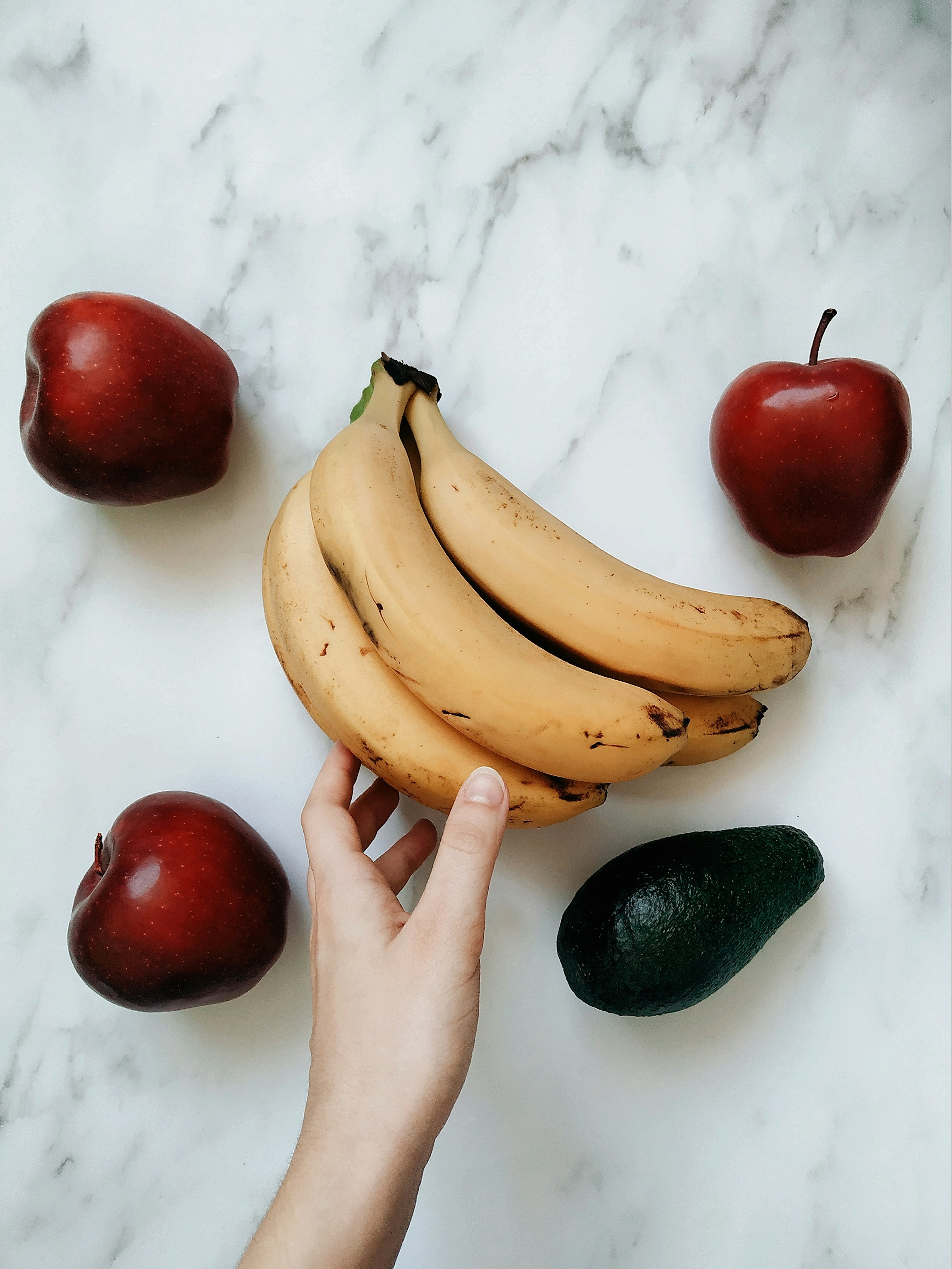
Two Very Different Fruits, Both Nutritionally Excellent
Avocados and bananas are two of the most popular fruits worldwide, but they could hardly be more different nutritionally. Bananas are a carbohydrate-rich energy fruit. Avocados are a fat-rich nutrient fruit. Comparing them head-to-head reveals distinct strengths that make each one valuable in different contexts.
The Numbers Per 100g
Banana: 89 calories, 1.1g protein, 23g carbohydrates (12g sugar), 0.3g fat, 2.6g fiber, 358mg potassium, 8.7mg vitamin C, 0.4mg vitamin B6.
Avocado: 160 calories, 2.0g protein, 8.5g carbohydrates (0.7g sugar), 14.7g fat (9.8g monounsaturated), 6.7g fiber, 485mg potassium, 10mg vitamin C, 0.3mg vitamin B6.
Avocados have nearly twice the calories of bananas (160 vs 89 per 100g), but they also provide dramatically more healthy fat, fiber, and potassium. Bananas are higher in natural sugar and carbohydrates, making them a better quick energy source.
For Weight Loss
Bananas are lower in calories at 89 per 100g versus 160 for avocado. A medium banana (118g) provides 105 calories, while half a medium avocado (68g) provides about 109 calories. So typical servings are very similar in calories, despite the per-100g difference.
Avocados are more satiating because their high fat and fiber content slows digestion and delays hunger signals. You are likely to feel full for longer after eating half an avocado than after eating a banana, which digests relatively quickly.
For calorie-controlled diets, both fit well. The key is portion size: a whole avocado (322 calories) is a significant portion of a 1,500-calorie budget, while a banana at 105 calories is more conservative. Read our calorie deficit guide for how to fit both into a weight loss plan.
For Potassium
Both fruits are excellent potassium sources, but avocado wins: 485mg per 100g versus 358mg for banana. This surprises most people, since bananas are culturally associated with potassium more than any other food. A whole avocado provides about 975mg of potassium (28% DV), while a medium banana provides 422mg (12% DV).
The World Health Organization recommends adults consume at least 3,510mg of potassium daily to reduce the risk of high blood pressure and cardiovascular disease. Both fruits contribute meaningfully to this target.
For Fiber
Avocado dominates with 6.7g of fiber per 100g compared to banana's 2.6g. Half an avocado provides about 4.6g of fiber, while a medium banana provides 3.1g. The Academy of Nutrition and Dietetics recommends 25-38g of fiber daily, and most people fall significantly short. Avocado is one of the most fiber-dense fruits available.
When to Choose Each
Choose a banana when you need quick energy before exercise, want a portable snack, are looking for a lower-calorie fruit option, or need natural sweetness in a smoothie or on oatmeal. Read our guide on what to eat before a workout.
Choose avocado when you need sustained energy from healthy fats, want to increase fiber intake, are following a keto or low-carb diet (avocado has only 1.8g net carbs per 100g versus 20.4g for banana), or want to add creaminess to meals without dairy.
Eat both as part of a varied diet. They are not competitors — they serve different nutritional roles and complement each other. A breakfast of oatmeal with sliced banana and a lunch salad with avocado gives you the best of both.
Use our food comparison tool to compare avocado and banana with any other food, or explore the food search for detailed nutritional breakdowns.
All nutritional values are per 100g and sourced from the USDA FoodData Central database.
Tags
Look Up Any Food
Search nutrition facts for over 300,000 foods in our free database.