What to Eat Before and After a Workout (With Meal Ideas)
Fuel your workouts and recover faster with the right pre and post-workout meals. Simple meal ideas with exact calories and macros for every fitness goal.
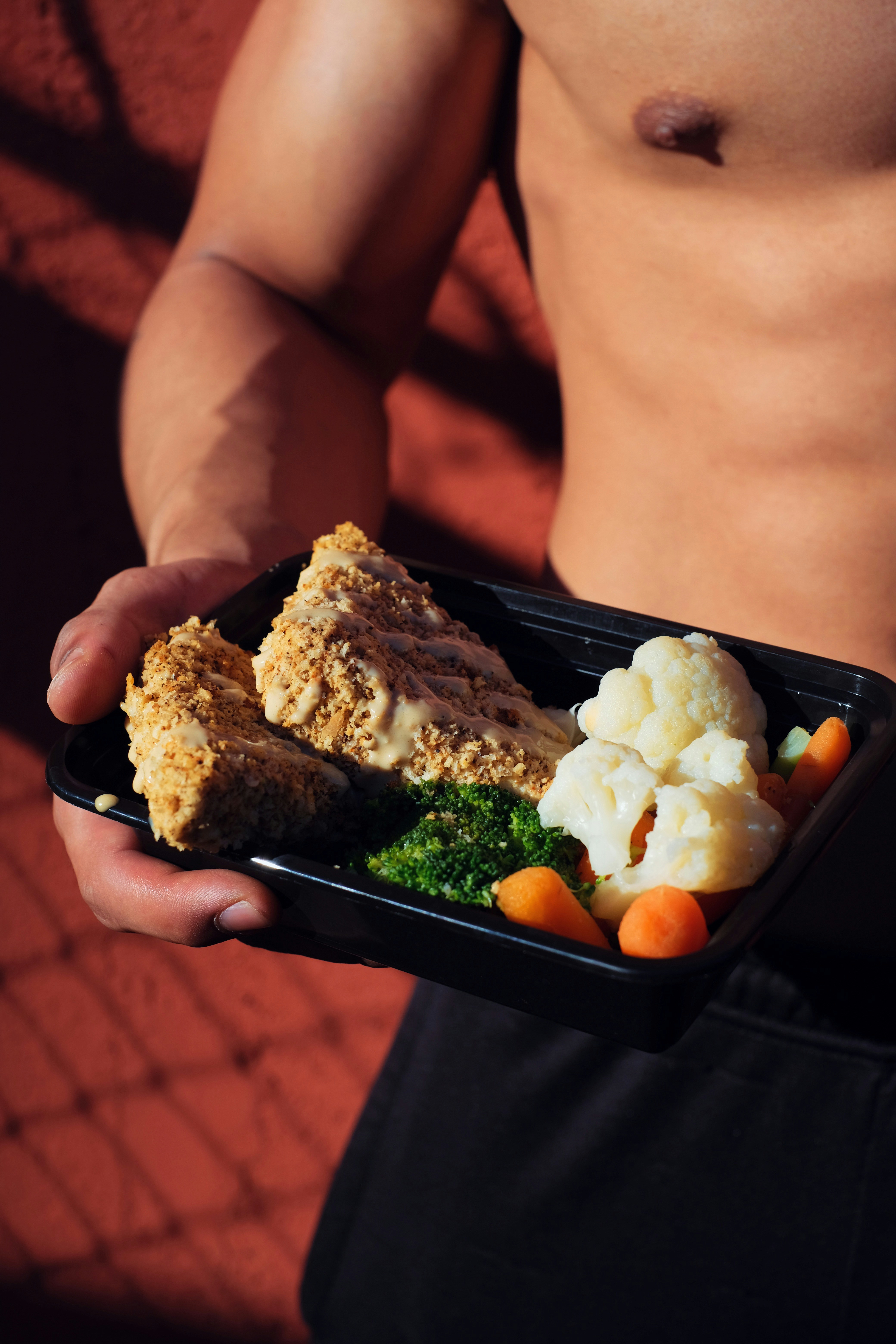
The Science of Workout Nutrition
What you eat before and after exercise directly affects your performance, recovery, and results. This is not marketing from supplement companies — it is well-established exercise physiology supported by decades of research from institutions like the American College of Sports Medicine.
Your body uses two primary fuel sources during exercise: glycogen (stored carbohydrates in your muscles and liver) and fat. The intensity of your workout determines the ratio. High-intensity activities like sprinting, heavy lifting, and interval training rely predominantly on glycogen. Lower-intensity activities like walking and light jogging use a higher proportion of fat. In both cases, having adequate fuel available improves performance.
After exercise, your body enters a recovery phase where it repairs damaged muscle fibers, replenishes glycogen stores, and reduces inflammation. The nutrients you provide during this window influence how quickly and effectively these processes occur.
What to Eat Before a Workout
The ideal pre-workout meal provides energy without causing digestive discomfort. Eat a balanced meal 2-3 hours before exercise, or a smaller snack 30-60 minutes before.
2-3 hours before (full meal, 400-600 calories): Combine complex carbohydrates for sustained energy with moderate protein and low fat. Examples include rice with grilled chicken and vegetables (480 calories, 35g protein), beans porridge with plantain (420 calories, 20g protein), oatmeal with banana and peanut butter (400 calories, 15g protein), or whole wheat bread with eggs and avocado (380 calories, 20g protein).
30-60 minutes before (light snack, 150-250 calories): Keep it simple and easily digestible. A banana with a tablespoon of peanut butter (190 calories), a boiled egg with a piece of fruit (170 calories), Greek yogurt with berries (150 calories), or a small portion of moi moi (120 calories, 9g protein).
Avoid before exercise: High-fat meals that slow digestion (fried foods, heavy cream sauces), very high-fiber meals that may cause bloating, large portions that sit heavy in your stomach, and unfamiliar foods that you have not tested during training before.
The International Society of Sports Nutrition recommends consuming 1-4 grams of carbohydrates per kilogram of body weight in the 1-4 hours before exercise, depending on the duration and intensity of the session.
What to Eat After a Workout
Post-workout nutrition serves three purposes: replenishing glycogen, stimulating muscle protein synthesis, and reducing inflammation. The research supports consuming a meal containing both protein and carbohydrates within 2 hours of finishing exercise, though the urgency of this "anabolic window" has been overstated by the supplement industry.
Protein is the priority. Aim for 20-40g of protein in your post-workout meal. Research published in the Journal of the International Society of Sports Nutrition shows that 20g is sufficient to maximally stimulate muscle protein synthesis in most people, with larger individuals potentially benefiting from up to 40g. More than 40g in a single sitting does not produce additional muscle-building benefit.
Carbohydrates replenish energy. Include 0.5-1g of carbohydrate per kilogram of body weight alongside your protein. This combination stimulates insulin release, which enhances both glycogen storage and amino acid uptake into muscles.
Excellent post-workout meal ideas: Grilled chicken with rice and vegetables (500 calories, 40g protein, 50g carbs), three boiled eggs with toast and a banana (420 calories, 22g protein, 45g carbs), suya with a portion of jollof rice (480 calories, 30g protein, 40g carbs), or a protein smoothie with milk, banana, oats, and peanut butter (450 calories, 25g protein, 55g carbs).
Hydration Matters More Than Supplements
Before spending money on pre-workout powders and BCAAs, ensure your hydration is adequate. The National Academy of Sports Medicine recommends drinking 500ml of water 2-3 hours before exercise and 200-300ml every 15-20 minutes during exercise. Dehydration of just 2% of body weight can reduce exercise performance by 10-20%.
For sessions lasting under 60 minutes, water is sufficient. For longer sessions or intense exercise in hot weather, adding electrolytes (sodium, potassium) through a sports drink or a pinch of salt in water helps maintain performance.
Use our food search tool to find the exact calorie and protein content of your preferred pre and post-workout foods. Explore our high protein food guide for the best protein sources to support your training.
The best pre and post-workout meals are the ones you actually eat consistently. Complicated supplement stacks matter far less than showing up to your workout fueled and eating a protein-rich meal afterward.
Tags
Look Up Any Food
Search nutrition facts for over 300,000 foods in our free database.