Long Grain Rice vs Basmati vs Jasmine: Calories and Nutrition Compared
Compare long grain, basmati, and jasmine rice nutrition. See the calorie, carb, fiber, and glycemic index differences to choose the best rice for your diet.
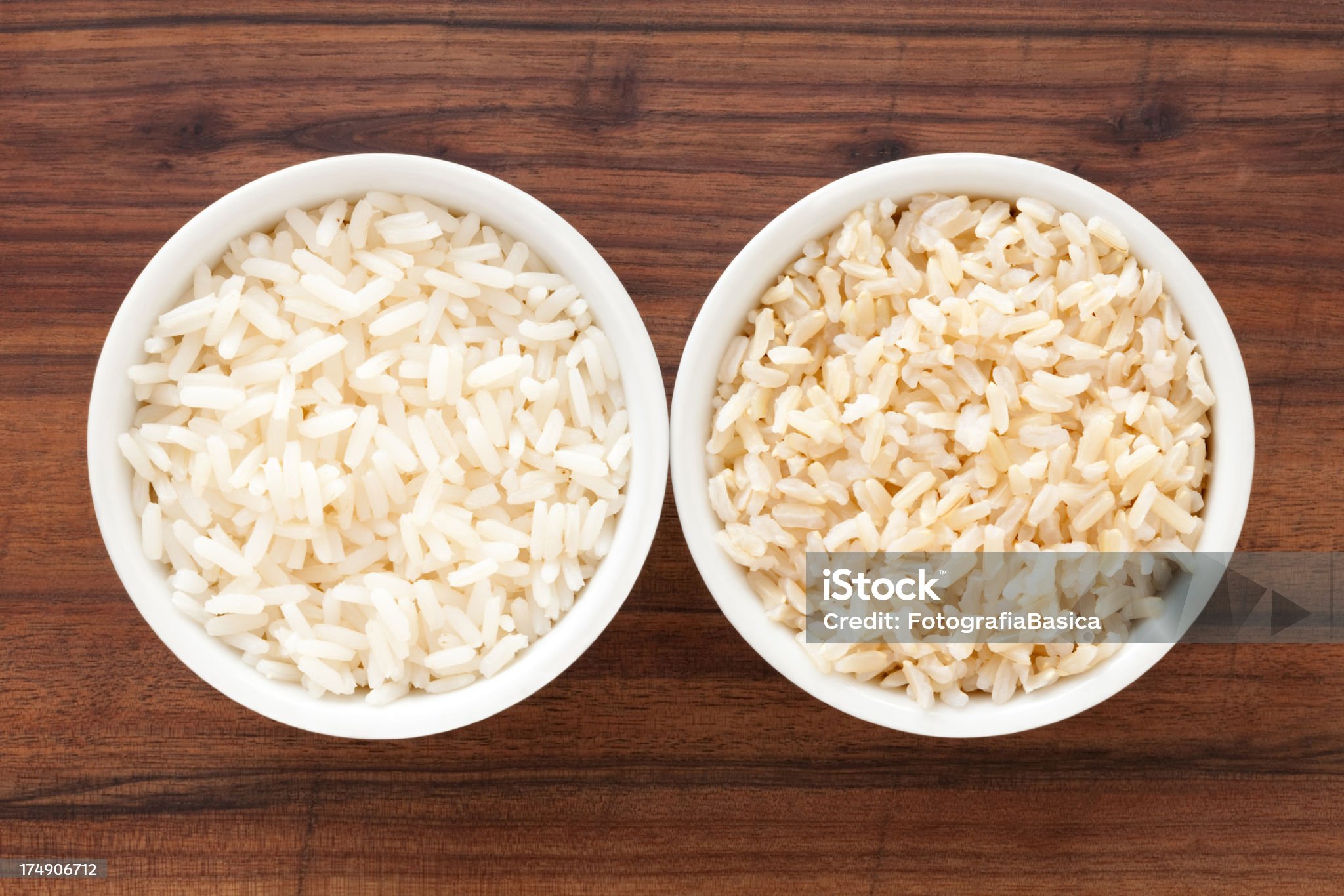
Three White Rices, Subtle But Real Differences
Long grain white rice, basmati rice, and jasmine rice are all types of white rice, but they are not nutritionally identical. They differ in aromatic compounds, starch structure, glycemic response, and subtle nutrient variations. For most people, these differences are small enough that taste preference can guide the choice. But for people managing blood sugar, following specific diets, or optimising their nutrition, the distinctions matter.
All three are milled white rices, meaning the bran and germ layers have been removed. They share the same general nutritional profile of moderate calories, high starch, low protein, and low fiber. The differences lie in the details.
The Numbers Per 100g Cooked
Long grain white rice (the standard rice in most households) provides approximately 130 calories, 2.7g of protein, 28.2g of carbohydrates, 0.3g of fat, and 0.4g of fiber.
Basmati rice provides approximately 130 calories, 3.5g of protein, 28g of carbohydrates, 0.4g of fat, and 0.5g of fiber. Basmati has a slightly higher protein content than regular long grain, which is a natural characteristic of the basmati grain variety.
Jasmine rice provides approximately 129 calories, 2.7g of protein, 28.3g of carbohydrates, 0.3g of fat, and 0.3g of fiber. Nutritionally, jasmine rice is very similar to regular long grain white rice.
The calorie and macronutrient differences are minimal. You would be hard-pressed to notice any health difference from swapping one for another based on these numbers alone. The meaningful distinction lies in glycemic behaviour.
Glycemic Index: Where Basmati Stands Out
This is the single most important nutritional difference between these three rices, and it is driven by starch composition.
Jasmine rice has the highest glycemic index at approximately 68-80, classified as high. It contains a high proportion of amylopectin starch, which is highly branched and rapidly digestible. This is what gives jasmine rice its characteristically soft, slightly sticky texture. The rapid digestion means a quick blood sugar spike after eating.
Regular long grain white rice has a moderate to high GI of approximately 64-72. It contains more amylose (a straight-chain, slowly digestible starch) than jasmine rice, which is why long grain rice cooks into separate, fluffy grains rather than clumping together.
Basmati rice has the lowest GI among white rices at approximately 50-58, classified as low to moderate. Basmati grains are characteristically long, slender, and separate after cooking because of their high amylose content (20-25% of total starch, compared to 15-18% in regular long grain and 12-15% in jasmine). This amylose resists rapid digestion, releasing glucose slowly into the bloodstream.
For people with type 2 diabetes, prediabetes, or insulin resistance, choosing basmati over jasmine rice produces a measurably smaller blood sugar spike. For the general population, basmati provides more sustained energy and less post-meal drowsiness than jasmine or regular white rice.
Aroma and Cooking Properties
Basmati rice has a distinctive nutty aroma from the compound 2-acetyl-1-pyrroline. When cooked, basmati grains elongate dramatically (up to twice their dry length) and remain separate and fluffy. This makes it the preferred rice for Indian biryanis, pilafs, and dishes where distinct, separate grains are desired.
Jasmine rice has a floral, slightly sweet aroma from the same compound in different concentrations. It cooks to a soft, slightly sticky texture that makes it perfect for Southeast Asian cuisines where rice needs to hold together when eaten with chopsticks or by hand. Its sweetness complements Thai curries and stir-fries.
Long grain rice has minimal aroma and a neutral flavour. It cooks to a fluffy, separate texture and serves as a versatile base for any cuisine. It is the most commonly used rice worldwide due to its neutrality and affordability.
Which Should You Choose?
Choose basmati if blood sugar management matters to you, if you enjoy aromatic rice, or if you are preparing Indian-style dishes. It has the best glycemic profile and the highest protein content of the three.
Choose jasmine if you enjoy its distinctive floral aroma and soft texture, particularly for Thai, Vietnamese, or other Southeast Asian dishes. Be aware of its higher glycemic impact if blood sugar is a concern.
Choose long grain as a versatile, affordable everyday option. It is the most neutral in flavour and works with any cuisine, including Nigerian jollof rice.
For all three rices, what you eat alongside them matters more than the rice type itself. Pairing any rice with protein, vegetables, and healthy fats significantly reduces the overall glycemic impact of the meal. Our brown rice vs white rice comparison covers the differences between white and whole grain options.
Use the food comparison tool to compare any rice products side by side.
All nutritional values are per 100g cooked and sourced from the USDA FoodData Central database.
Tags
Look Up Any Food
Search nutrition facts for over 300,000 foods in our free database.