Brown Rice vs White Rice vs Basmati: Calories and Nutrition Compared
Compare brown rice, white rice, and basmati rice nutrition. See which has fewer calories, more fiber, more protein, and which is the healthiest for your goals.
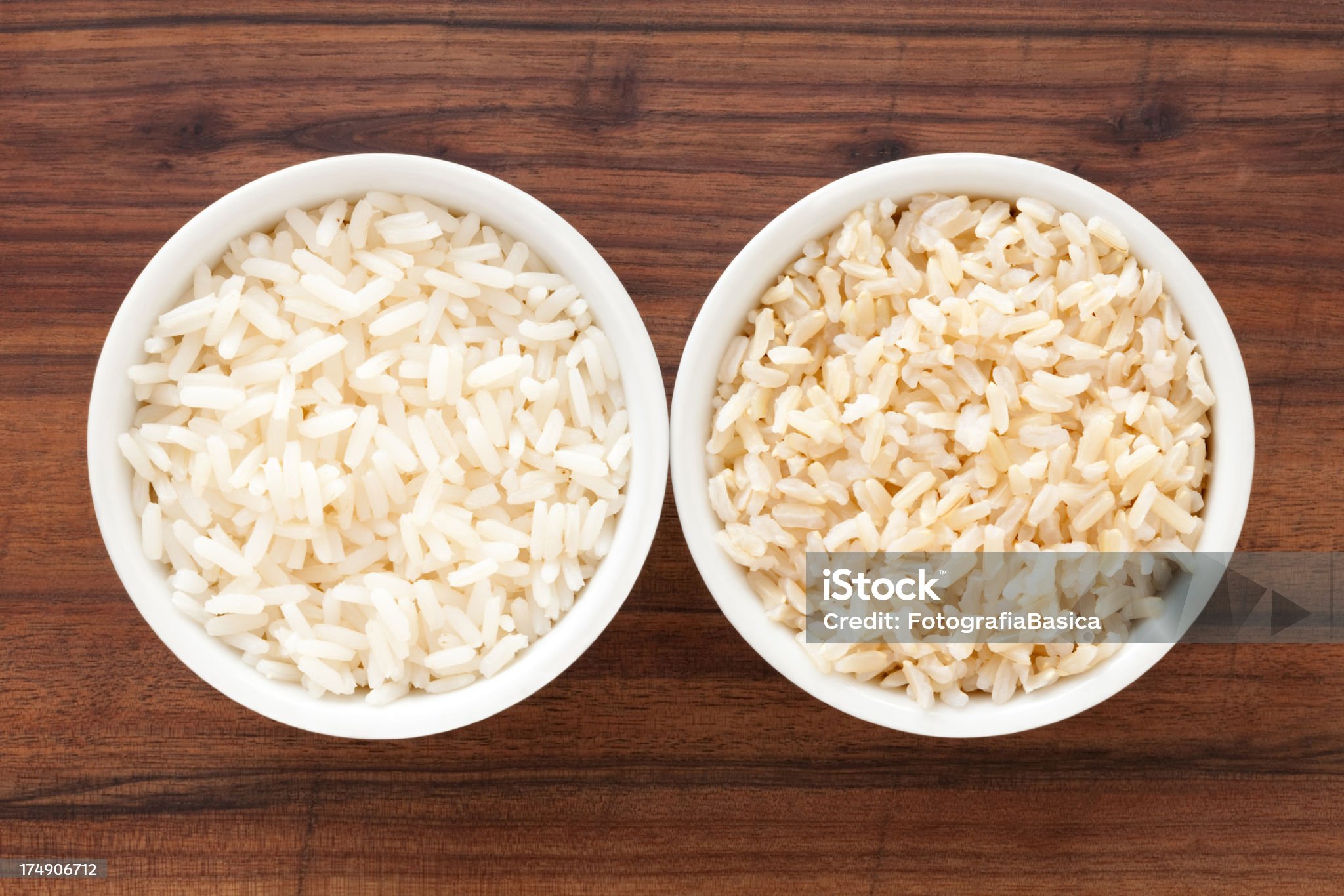
A Staple Worth Understanding
Rice feeds more than half the world's population daily. It is the foundation of Nigerian jollof, Japanese sushi, Indian biryani, Mexican burritos, and Chinese fried rice. It is affordable, shelf-stable, versatile, and satisfying. With billions of people relying on rice as their primary carbohydrate source, the nutritional differences between rice varieties have enormous public health implications.
Yet most people choose their rice based on taste, texture, price, or habit rather than nutritional profile. The differences between brown rice, white rice, and basmati are not dramatic on a per-meal basis, but they compound meaningfully over the weeks, months, and years of daily consumption. Understanding them helps you make an informed choice without overthinking it.
Nutritional Comparison Per 100g Cooked
White rice (long grain, cooked) provides approximately 130 calories, 2.7g of protein, 28.2g of carbohydrates, 0.3g of fat, and 0.4g of fiber. It is the most processed of the three varieties: the milling process removes the bran (outer layer) and germ (nutrient-rich core), leaving only the starchy endosperm. This stripping removes most of the fiber, B vitamins, magnesium, phosphorus, and other minerals. In many countries, white rice is "enriched" by adding back iron, thiamine, niacin, and folic acid, which partially compensates for the processing losses but does not restore the fiber or the full spectrum of removed nutrients.
Brown rice (cooked) contains approximately 123 calories, 2.7g of protein, 25.6g of carbohydrates, 1.0g of fat, and 1.8g of fiber. Brown rice is a whole grain, meaning it retains the bran and germ layers that white rice has had removed. These layers contain the majority of the grain's fiber, B vitamins, magnesium, phosphorus, manganese, and selenium. The slightly higher fat content comes from the oils naturally present in the bran, which are predominantly healthy unsaturated fats.
Basmati rice (white, cooked) provides roughly 130 calories, 3.5g of protein, 28g of carbohydrates, 0.4g of fat, and 0.5g of fiber. Nutritionally, white basmati is similar to regular white rice, with one important distinction: it has a notably lower glycemic index. Basmati rice contains a higher proportion of amylose (a type of starch that resists digestion), which slows glucose release into the bloodstream. Brown basmati combines the benefits of both, offering whole grain nutrition with a lower glycemic response.
The Calorie Myth
Many people believe brown rice has significantly fewer calories than white rice. In reality, the difference is modest: 123 calories per 100g for brown rice versus 130 for white and basmati. Over a typical 200g serving, that is only a 14-calorie difference, roughly the caloric value of a single almond. This difference is nutritionally insignificant and should not be the reason you choose one over another.
The meaningful differences between rice types lie elsewhere: in fiber content, glycemic response, and micronutrient density.
Fiber: The Real Differentiator
Brown rice contains approximately 4.5 times more fiber per serving than white rice (1.8g versus 0.4g per 100g cooked). A 200g serving of brown rice provides 3.6g of fiber, while the same amount of white rice provides less than 1g. This may sound modest in isolation, but in the context of daily fiber intake (most people fall far short of the recommended 25-38g), the cumulative difference between eating brown rice daily versus white rice daily is meaningful over weeks and months.
Fiber's benefits extend beyond simple digestive regularity. Soluble fiber slows the absorption of glucose, reducing blood sugar spikes after meals. Insoluble fiber feeds beneficial gut bacteria, which produce short-chain fatty acids that support gut barrier integrity, reduce inflammation, and may influence body weight regulation. Fiber also contributes to satiety, helping you feel fuller longer after eating. Explore our high fiber food guide for more fiber-rich options.
Glycemic Index: Why It Matters
The glycemic index (GI) measures how rapidly a food raises blood sugar after consumption. Foods with a high GI cause rapid blood sugar spikes followed by crashes that trigger hunger, cravings, and energy fluctuations. Lower GI foods release glucose gradually, providing sustained energy without the roller-coaster effect.
Regular white rice has a GI of approximately 72, which is classified as high. Brown rice has a GI of about 50, classified as low to moderate. White basmati rice has a GI of approximately 55-58, significantly lower than regular white rice due to its higher amylose starch content.
For people with type 2 diabetes, prediabetes, or insulin resistance, this difference matters substantially. Research has shown that replacing white rice with brown rice or basmati rice produces measurable improvements in blood sugar control over time. A 2012 study found that substituting white rice with brown rice in a typical Asian diet reduced the risk of type 2 diabetes by 16%.
Even for people without blood sugar concerns, lower-GI carbohydrates provide more stable energy levels, fewer afternoon energy dips, and less between-meal snacking.
Micronutrient Content
Brown rice outperforms white rice in nearly every micronutrient category. It provides approximately 3.5 times more magnesium (43mg versus 12mg per 100g), 2.5 times more phosphorus, and significantly more manganese, selenium, and B vitamins. Magnesium is particularly noteworthy because it supports over 300 enzymatic reactions in the body, including muscle contraction, nerve function, blood sugar regulation, and sleep quality. Many people are deficient in magnesium without realizing it.
White rice in many countries is enriched with iron, thiamine, niacin, and folic acid to compensate for milling losses. Enriched white rice is not nutritionally empty, but it falls meaningfully short of whole grain brown rice in overall nutrient density.
Nigerian Context: Ofada Rice and Local Varieties
Ofada rice, a locally grown variety popular in southwestern Nigeria, is nutritionally similar to brown rice because it undergoes minimal processing. It retains more of its bran layer, giving it a coarser texture, nuttier flavour, and higher fiber and micronutrient content compared to imported white rice. Nutritionally, ofada rice is one of the best rice choices available in Nigeria, and choosing it supports local agriculture.
When preparing jollof rice, the choice of rice affects both nutrition and texture. Parboiled long-grain rice, the most common choice for jollof, falls between white and brown rice nutritionally because the parboiling process drives some nutrients from the bran into the endosperm before milling.
The Bottom Line
Brown rice is the most nutritious option overall, with significantly more fiber, more minerals, a lower glycemic index, and the full spectrum of whole grain nutrients. If health optimization is your priority and you enjoy the taste and texture, brown rice is the clear winner.
Basmati rice is an excellent middle ground. Its lower glycemic index compared to regular white rice provides a meaningful health advantage, and its aromatic flavour makes it a pleasure to eat. Brown basmati combines the best of both worlds.
White rice is the most processed but remains a perfectly acceptable part of a healthy diet when eaten in reasonable portions and paired with protein, vegetables, and healthy fats. The fiber and micronutrient differences are real but can be compensated for through other foods in your diet.
The most practical advice: vary your rice choices, prioritize whole grain options when available, and focus more on what you eat with your rice and how much you eat than on the rice variety itself. A moderate portion of any rice type with grilled protein and plenty of vegetables is a healthy meal.
Use the food comparison tool to compare any rice varieties side by side, or search for specific rice products using the food search.
All nutritional values are per 100g of cooked rice and sourced from the USDA FoodData Central database.
Tags
Look Up Any Food
Search nutrition facts for over 300,000 foods in our free database.