Rice vs Pasta: Calories, Carbs, and Nutrition Compared
Is rice or pasta better for you? Compare the calories, protein, fiber, and vitamins in rice and pasta per 100g to find the healthier carb for your goals.
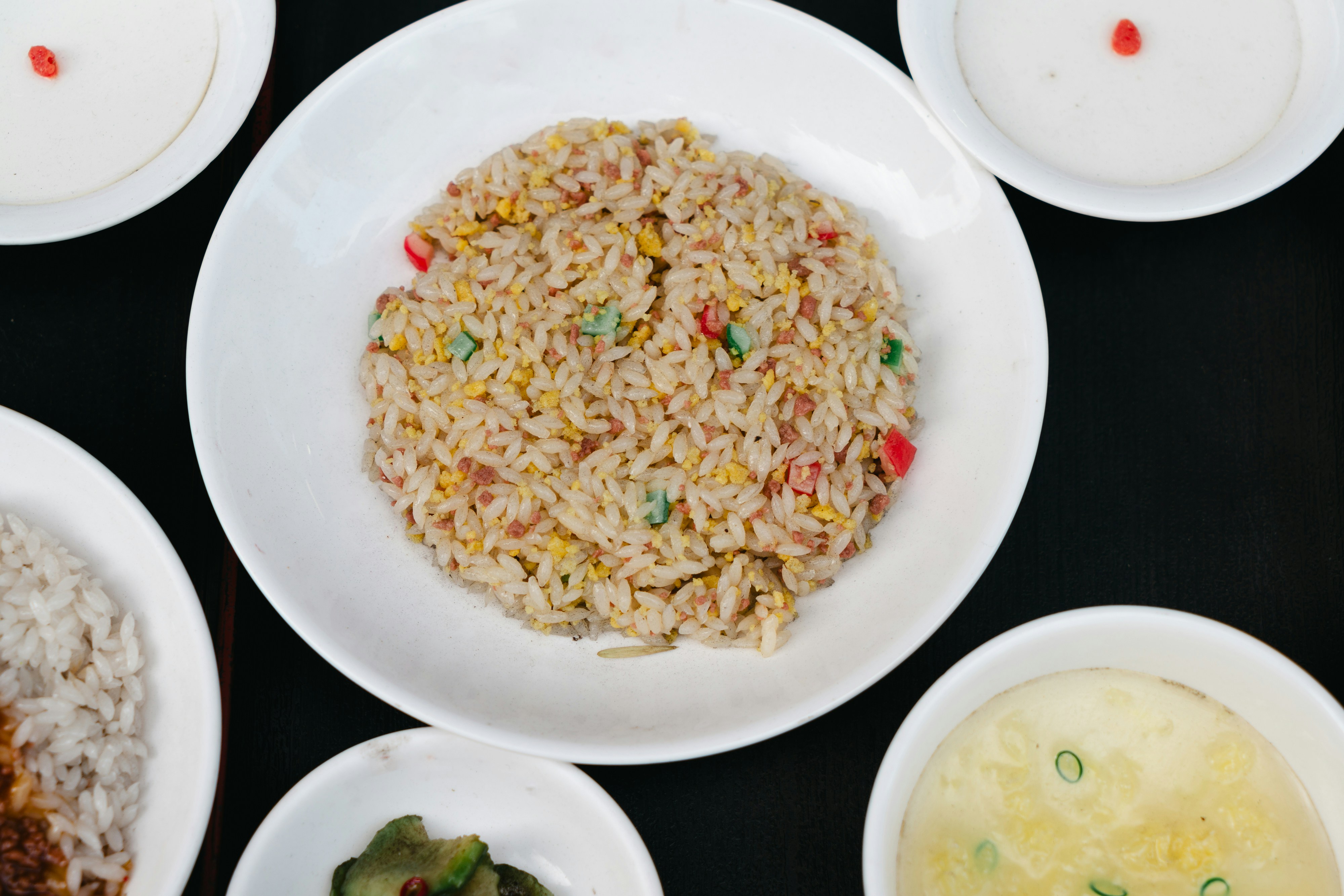
The Carb Showdown Everyone Asks About
Rice and pasta are two of the most consumed carbohydrate staples on the planet. Rice dominates in Asia, Africa, and Latin America. Pasta rules in Europe, particularly Italy, and has become a global pantry staple. Both are affordable, shelf-stable, versatile, and deeply embedded in food culture. And both are regularly accused of "making people fat" by diet trends that demonize carbohydrates.
The truth is that neither rice nor pasta is inherently fattening. Both are moderate-calorie carbohydrate sources that fit comfortably in a healthy diet when portion sizes are reasonable and they are paired with protein, vegetables, and healthy fats. The nutritional differences between them are real but smaller than most people assume, and the "better" choice depends more on what you eat them with and how much you eat than on the food itself.
Let us compare them using the most common forms: cooked white rice (long grain) and cooked regular wheat pasta (spaghetti or penne), both per 100g.
The Numbers Side by Side
Cooked white rice provides approximately 130 calories, 2.7g of protein, 28g of carbohydrates, 0.3g of fat, and 0.4g of fiber per 100g. It is essentially pure starch with minimal protein, fat, or fiber. White rice is gluten-free, making it suitable for people with celiac disease or gluten sensitivity.
Cooked wheat pasta provides approximately 131 calories, 5.0g of protein, 25g of carbohydrates, 1.1g of fat, and 1.8g of fiber per 100g. Pasta contains nearly double the protein of rice and over four times the fiber, thanks to the wheat gluten that gives it structure and the retention of some bran components even in refined versions.
The calorie difference is negligible, less than 1 calorie per 100g. Anyone choosing between rice and pasta based on calories alone is missing the point entirely. The meaningful differences lie in protein content, fiber, glycemic response, and micronutrient profiles.
Protein: Pasta Wins
Pasta provides 5.0g of protein per 100g cooked, compared to just 2.7g for white rice. Over a typical 200g serving, that is 10g of protein from pasta versus 5.4g from rice. While neither qualifies as a "high protein food," the difference matters in the context of a full day's eating, particularly for people who struggle to hit their protein targets.
Whole wheat pasta extends this advantage further, providing about 5.3g per 100g alongside significantly more fiber and minerals. If you are choosing between regular pasta and white rice and protein intake matters to you, pasta is the better base.
That said, what you put on top of either one matters far more than the base itself. A plate of rice with grilled chicken and vegetables delivers more protein than a plate of pasta drowning in cream sauce. The accompaniments drive the nutritional quality of the meal more than the carbohydrate base.
Fiber: Pasta Wins Again
White rice is notoriously low in fiber at just 0.4g per 100g cooked. Pasta provides 1.8g, roughly 4.5 times more. Whole wheat pasta jumps to approximately 4.5g per 100g, making it one of the better fiber sources among grain products.
Fiber matters for satiety, blood sugar control, digestive health, and feeding beneficial gut bacteria. If you eat rice or pasta daily, choosing pasta (or switching to brown rice at 1.8g fiber per 100g) provides a meaningful fiber advantage that compounds over weeks and months.
Brown rice and whole wheat pasta are roughly equivalent in fiber, so if you switch to whole grain versions, the fiber advantage disappears and the choice becomes more about preference.
Glycemic Index: It Depends
The glycemic index (GI) of rice varies dramatically by type. White long-grain rice has a GI of about 72 (high). Basmati rice is around 55-58. Brown rice is about 50. Sticky or glutinous rice can exceed 85.
Regular wheat pasta has a GI of approximately 42-50, which is moderate to low. This is surprisingly lower than most rice varieties. The reason is structural: pasta's compact, dense texture means the starch is digested more slowly than the loose, separated grains of rice. Al dente pasta (cooked firm) has a lower GI than overcooked pasta because the starch remains more resistant to digestion.
For people managing blood sugar, pasta cooked al dente is generally a better choice than white rice. However, basmati or brown rice narrows this gap considerably.
Gluten: Rice Wins for Some
The single biggest nutritional distinction between rice and pasta is gluten. Wheat pasta contains gluten, which is problematic for the approximately 1% of the population with celiac disease and the larger number who experience non-celiac gluten sensitivity. For these individuals, rice is the clear winner and pasta must be replaced with gluten-free alternatives made from rice, corn, chickpea, or lentil flour.
For everyone else, gluten is a normal dietary protein that causes no harm. The widespread belief that gluten is unhealthy for the general population is not supported by scientific evidence.
Micronutrients
Pasta provides more B vitamins (thiamine, folate, niacin) than white rice in countries where wheat flour is fortified, which includes most Western nations. It also provides more iron and selenium. Rice provides slightly more manganese and, when enriched, comparable levels of iron and B vitamins.
Neither rice nor pasta is a significant source of vitamins A, C, D, or E, calcium, or potassium. Both are essentially energy foods that need accompaniments to provide complete nutrition. The vegetables, protein, and fats you eat with them carry the micronutrient load.
The Nigerian Perspective
In Nigeria, rice is far more commonly consumed than pasta, appearing as jollof rice, fried rice, white rice with stew, coconut rice, and more. Pasta appears mainly as spaghetti or macaroni, often prepared with tomato-based sauces. Nutritionally, Nigerian jollof rice and spaghetti jollof are quite similar in calories, with the cooking oil and tomato base being the main calorie contributors in both cases.
For anyone looking to manage calories, the preparation method matters more than the choice between rice and pasta. Jollof rice cooked with generous oil can reach 250-300 calories per 100g, while plain boiled rice is 130. Similarly, pasta with a heavy cream sauce can reach 250+ calories, while pasta with a tomato and vegetable sauce stays closer to 160.
Portion Size Is the Real Variable
A standard restaurant serving of pasta in many countries is 200-300g cooked, providing 260-390 calories from the pasta alone before sauce. Many people at home serve themselves 300-400g without realizing it. A reasonable portion for most adults is 150-200g cooked (approximately 75-100g dry).
Rice portions face the same problem. A typical Nigerian serving of rice can easily be 300-400g cooked, providing 390-520 calories from rice alone. Controlling portions of either food makes far more difference to your calorie intake than choosing one over the other.
Use our food comparison tool to compare specific rice and pasta products, or explore the food search to check calorie content for any preparation method.
The Bottom Line
Pasta has a slight nutritional edge over white rice due to its higher protein, fiber, and lower glycemic index. Brown rice and whole wheat pasta are nutritionally similar and both excellent choices. But the differences between rice and pasta are small compared to the impact of portion size, cooking method, and what you eat alongside them.
The best carbohydrate is the one you enjoy, eat in reasonable portions, and pair with protein, vegetables, and healthy fats. There is no need to eliminate either from your diet.
All nutritional values are per 100g cooked and sourced from the USDA FoodData Central database.
Tags
Look Up Any Food
Search nutrition facts for over 300,000 foods in our free database.