How Many Calories in Rice? White, Brown, Fried, and Jollof Compared
A cup of cooked white rice has 206 calories. Compare calories in white, brown, basmati, fried, and jollof rice to choose the best option for your goals.
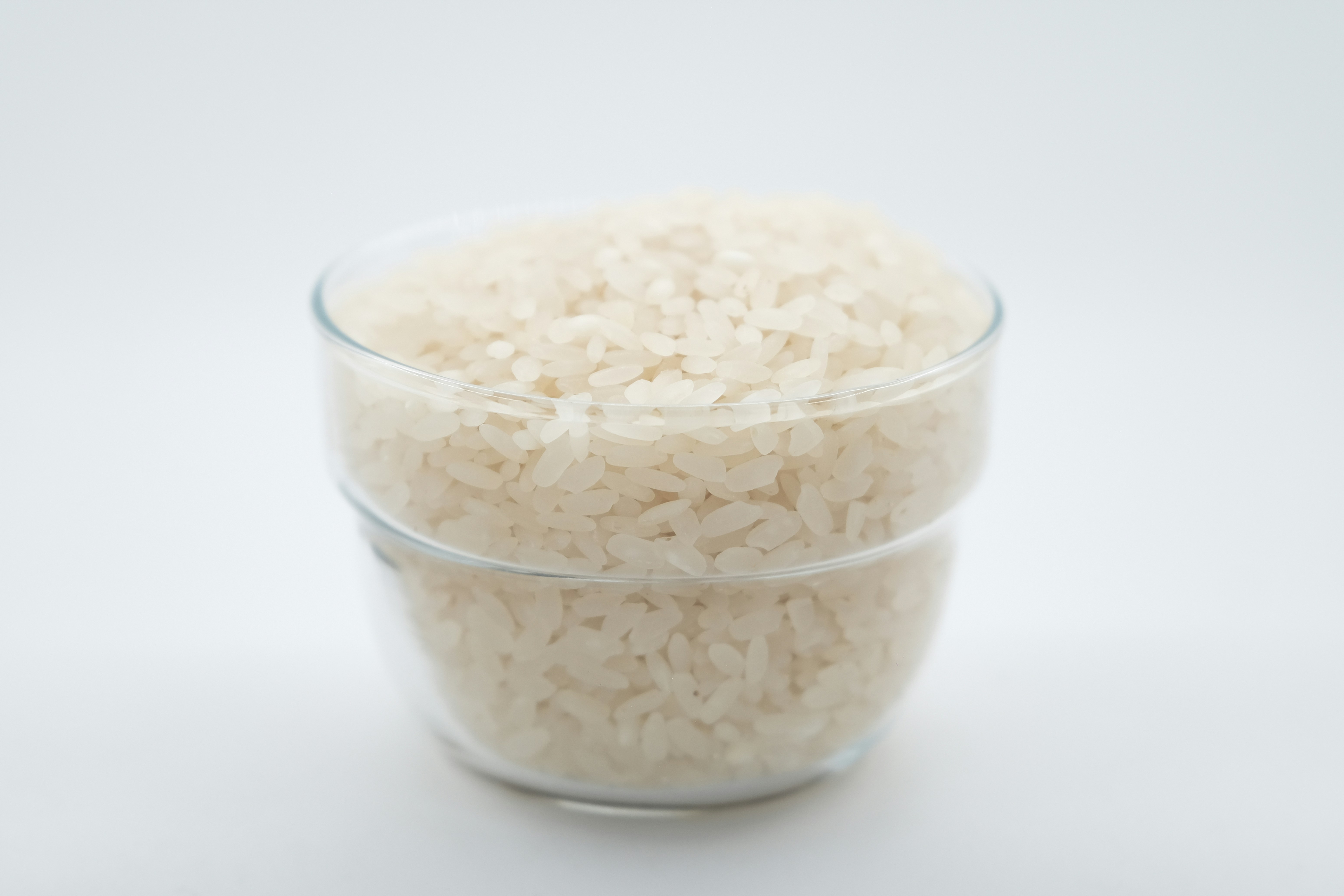
The Quick Answer: 206 Calories Per Cup of Cooked White Rice
One cup (158g) of cooked long-grain white rice contains approximately 206 calories, 4.3g of protein, 44.5g of carbohydrates, 0.4g of fat, and 0.6g of fiber. But this number changes significantly depending on the type of rice, how it is prepared, and what is added during cooking.
Rice is the primary carbohydrate source for more than half the world's population, and "how many calories in rice" is one of the most searched nutrition questions on Google. The answer matters because rice is often eaten in large quantities, making even small per-serving differences meaningful over a week or month of daily consumption.
Calories by Rice Type (Per 100g Cooked)
White rice (long grain): 130 calories, 2.7g protein, 28g carbs, 0.4g fiber. The most commonly consumed rice worldwide. Milling removes the bran and germ, stripping most fiber and micronutrients but producing the soft, neutral-flavoured grain most people prefer.
Brown rice: 123 calories, 2.7g protein, 26g carbs, 1.8g fiber. A whole grain that retains the bran and germ layers, providing 4.5 times more fiber than white rice alongside significantly more magnesium, phosphorus, and B vitamins. See our brown rice vs white rice guide for the full comparison.
Basmati rice (white): 130 calories, 3.5g protein, 28g carbs, 0.5g fiber. Similar calories to regular white rice but with a lower glycemic index (GI 50-58 versus 72 for regular white rice) due to higher amylose starch content. This makes it a better choice for blood sugar management. Read our basmati vs jasmine vs long grain comparison.
Jasmine rice: 129 calories, 2.7g protein, 28g carbs, 0.3g fiber. Slightly sticky with a floral aroma. Has the highest glycemic index among common rice varieties (GI 68-80), meaning it causes the fastest blood sugar spike.
Fried rice: 163-230 calories per 100g depending on the amount of oil, eggs, and additions. The cooking oil alone can add 100+ calories per serving compared to plain boiled rice. A typical restaurant serving of fried rice (300g) can contain 500-700 calories.
Jollof rice: 170-250 calories per 100g depending on the recipe. The tomato base, cooking oil, and seasonings add 40-120 calories per 100g beyond plain rice. A typical Nigerian serving of jollof rice (300-400g) can provide 500-1,000 calories. For Nigerians watching calories, the amount of oil used in jollof preparation is the single biggest variable. Read our Nigerian foods for weight loss guide for strategies.
Coconut rice: 180-220 calories per 100g. The coconut milk or cream adds fat and calories. Delicious but calorie-dense.
How Cooking Affects Rice Calories
Raw rice and cooked rice have very different calorie densities because cooking adds water. One hundred grams of raw white rice contains about 360 calories. After cooking, that same 100g of raw rice becomes approximately 250-300g of cooked rice at 130 calories per 100g. The total calories remain the same; they are simply spread across a larger volume.
This is why measuring rice dry before cooking gives more accurate calorie tracking. If you cook 75g of dry rice, you know it contains approximately 270 calories regardless of how much water it absorbs during cooking.
An interesting finding from research published in the College of Chemical Sciences in Sri Lanka suggests that cooking rice with coconut oil and then cooling it in the refrigerator increases the resistant starch content by up to 10 times. Resistant starch is not digested and absorbed as glucose, effectively reducing the usable calories by up to 50-60%. While these findings are promising, the practical calorie reduction in real-world eating is likely more modest (10-15%).
Rice and Weight Loss
Rice is not the enemy of weight loss. The problem is portion size. A reasonable serving of cooked rice is 150-200g (195-260 calories). Many people serve themselves 300-400g (390-520 calories) without realizing it, and then add calorie-dense toppings or sauces.
For weight loss with rice, choose basmati or brown rice for the lower glycemic impact, measure your portions, and pair rice with protein and vegetables rather than eating it as the dominant component of the meal. The plate method recommends rice filling only one quarter of your plate.
Compare rice to pasta to see which carbohydrate better fits your goals, or use the food search tool to check the calories in any specific rice product.
All nutritional values are per 100g cooked (unless stated otherwise) and sourced from the USDA FoodData Central database.
Tags
Look Up Any Food
Search nutrition facts for over 300,000 foods in our free database.