Meal Prep Guide: How to Plan a Healthy Week of Nigerian and International Meals
Plan a full week of healthy meals in advance using Nigerian and international recipes. Save time, eat better, and control calories with this practical meal prep guide.
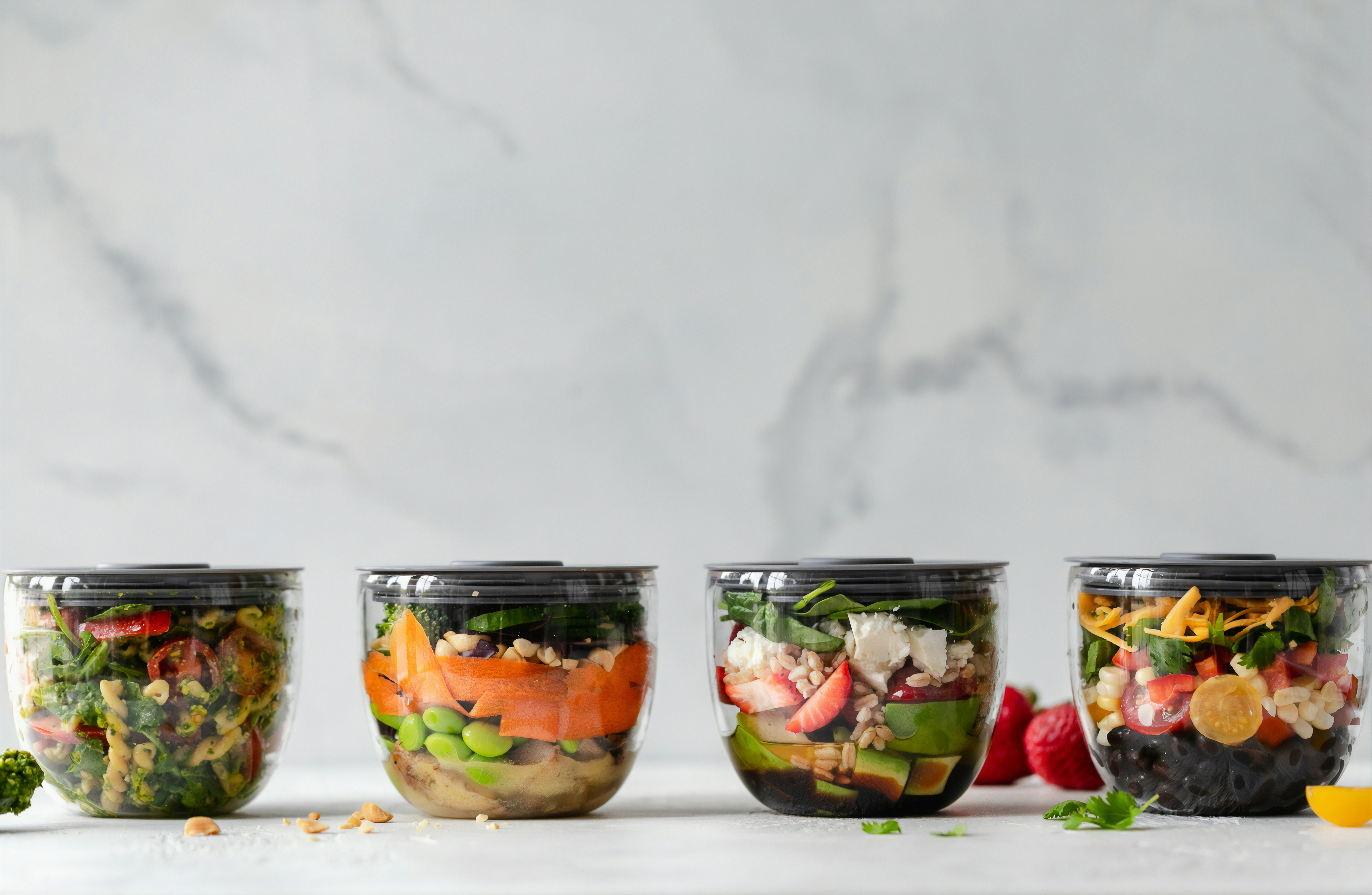
Why Meal Prep Is the Most Underrated Health Habit
The biggest obstacle to eating well is not knowledge — it is time and decision fatigue. When you arrive home at 7pm with nothing prepared, the path of least resistance is whatever is fastest: takeaway, instant noodles, or a heavy plate of whatever requires the least effort. These choices are not inherently terrible, but without planning, portions tend to be large, protein tends to be low, and vegetables tend to be absent.
Meal prepping solves this by front-loading the effort. You spend 2-3 hours once per week preparing the bulk of your meals, and every day after that, eating well becomes a matter of reheating and assembling rather than cooking from scratch. The Academy of Nutrition and Dietetics identifies meal planning and preparation as one of the top strategies for improving diet quality, managing weight, and reducing food waste.
This guide covers meal prep strategies for both Nigerian cuisine and international meals, so whether your weekly menu includes jollof rice and egusi soup or grilled chicken with quinoa and roasted vegetables, you have a practical framework.
The Sunday Prep Framework
The most efficient approach is to prepare base components separately and combine them into different meals throughout the week. This prevents the monotony of eating the exact same meal five days in a row while minimising total cooking time.
Proteins to Batch-Cook
Protein is the most important component to prepare in advance because it takes the longest to cook and spoils fastest when left to last-minute decisions.
Chicken is the most versatile batch-prep protein. Season 1-1.5kg of chicken thighs or breasts with your choice of spices and bake at 200°C for 25-30 minutes. Suya-spiced chicken works for Nigerian meals. Italian herb seasoning works for salads and pasta. Plain seasoned chicken works with anything. One batch yields protein for 8-10 meals. A 150g serving of chicken breast provides approximately 46g of protein for 165 calories. Check the exact values on our food search tool.
Eggs require zero skill and five minutes. Boil a dozen on Sunday and store in the fridge. Two boiled eggs make a 144-calorie, 12.6g-protein snack or meal component that requires no reheating. Read our complete egg nutrition breakdown.
Beans and lentils are the most affordable protein base available. A large pot of beans porridge provides 4-5 meals at 7g of protein and 4g of fiber per 100g. A pot of lentil soup does the same for international meal plans. Both store well in the fridge for 4-5 days and freeze for up to 3 months.
Ground turkey or lean beef can be browned in bulk and stored. Season one portion Mexican-style (cumin, chili, garlic) for burrito bowls, another portion Italian-style (oregano, basil, garlic) for pasta sauce, and a third portion plain for versatility. A 150g serving of lean ground turkey provides roughly 27g of protein for 170 calories.
Fish — grill or bake mackerel, tilapia, or salmon fillets. Fish stores for 2-3 days in the fridge (shorter than chicken or beef), so prepare it mid-week rather than Sunday if it is for Thursday or Friday meals. Salmon provides 25g of protein per 100g alongside omega-3 fatty acids.
Moi moi is a Nigerian meal prep superstar. Steamed bean pudding that provides 9g of protein per 100g, stores perfectly for 4-5 days, and works as a breakfast, snack, or side dish.
Soups and Sauces to Prepare in Advance
Nigerian soups freeze beautifully. Egusi soup with spinach, ewedu with gbegiri, okra soup, and pepper soup broth all store well for 4-5 days refrigerated or up to 3 months frozen. Prepare two soups per week and alternate between them.
Tomato-based sauces for pasta, rice, or grain bowls can be made in large batches. A simple marinara (canned tomatoes, garlic, olive oil, basil, salt) takes 20 minutes and provides the base for pasta meals, shakshuka, or pizza. Store in portions.
Stir-fry sauces (soy sauce, ginger, garlic, sesame oil) can be premixed and stored in a jar. When dinner time comes, you simply heat oil, add pre-cut vegetables and pre-cooked protein, and pour over the sauce. A complete meal in 10 minutes.
Salad dressings made at home are cheaper, healthier, and tastier than bottled versions. A basic vinaigrette (olive oil, vinegar, mustard, salt, pepper) takes 2 minutes and stores for 2 weeks.
Carbohydrate Bases
Rice (brown, white, or basmati) cooks in bulk easily. A large pot provides the base for jollof-style meals, stir-fry bowls, burrito bowls, and plain sides. Store cooked rice in the fridge and reheat thoroughly. The UK National Health Service advises cooling rice quickly and refrigerating within an hour to prevent bacterial growth. Compare rice varieties in our brown rice vs white rice guide.
Quinoa cooks in 15 minutes and works as a protein-rich alternative to rice. At 4.4g of protein per 100g cooked (compared to 2.7g for white rice), it adds meaningful protein to grain bowls and salads.
Sweet potatoes and regular potatoes can be baked in bulk. Wrap individually in foil, bake at 200°C for 45-60 minutes, and store in the fridge. Reheat in the microwave for a 2-minute carb side.
Boiled yam stores well in the fridge for 3-4 days. Prepare enough for several meals and reheat as needed. Garri only needs hot water, so it requires no advance preparation.
Pasta (whole wheat or regular) can be cooked slightly underdone (al dente), tossed with a drizzle of olive oil to prevent sticking, and refrigerated. It reheats well in the microwave or by tossing in a hot pan with sauce.
Vegetables
Wash, chop, and store vegetables on prep day. Pre-cut vegetables save 10-15 minutes per meal during the week and dramatically increase the likelihood that you actually eat them.
For Nigerian meals: Chop tomatoes, peppers, and onions (the holy trinity of Nigerian cooking). Wash spinach, ewedu leaves, or other greens. Store each in separate airtight containers lined with paper towels to absorb excess moisture.
For international meals: Cut broccoli into florets, slice bell peppers, dice onions, mince garlic, slice mushrooms, and wash salad greens. Roast a tray of mixed vegetables (zucchini, bell peppers, onions, cherry tomatoes, carrots) at 200°C for 25 minutes with olive oil and salt — these work in grain bowls, alongside protein, in wraps, or on their own.
Sample Weekly Meal Combinations
Nigerian-Focused Days
Breakfast: Boiled eggs (3) with boiled yam (150g) and pepper sauce — 400 calories, 22g protein.
Lunch: Beans porridge (300g) with plantain — 420 calories, 20g protein.
Dinner: Eba (150g) with egusi soup and grilled fish — 500 calories, 30g protein.
International-Focused Days
Breakfast: Overnight oats with milk, peanut butter, and banana — 400 calories, 15g protein.
Lunch: Grilled chicken grain bowl: chicken breast (150g), quinoa (100g), roasted vegetables, and tahini dressing — 480 calories, 42g protein.
Dinner: Salmon fillet (130g) with baked sweet potato (150g) and steamed broccoli — 450 calories, 30g protein.
Mixed Days
Breakfast: Moi moi (2 wraps) with pap — 320 calories, 18g protein.
Lunch: Turkey and vegetable stir-fry with rice (150g) — 430 calories, 30g protein.
Dinner: Pepper soup with chicken and fish (large bowl) — 380 calories, 35g protein.
Each meal takes under 10 minutes to assemble because the components are already prepared.
Storage and Food Safety
According to the World Health Organization food safety guidelines, cooked food should be refrigerated within 2 hours of preparation and consumed within 3-4 days. For longer storage, freeze portions in airtight containers for up to 3 months.
Label your containers with the date of preparation. Reheat soups and stews to a full boil before serving, not just until warm. The USDA Food Safety and Inspection Service recommends reheating leftovers to an internal temperature of 74°C (165°F).
Invest in a set of microwave-safe containers with tight lids. Glass containers are ideal because they do not absorb stains or odours from tomato-based stews and sauces. Portion your meals before refrigerating rather than storing everything in one large pot.
Meal Prep on a Budget
Meal prepping is inherently budget-friendly because buying ingredients in bulk and cooking at home costs a fraction of eating out daily. The Food and Agriculture Organization of the United Nations emphasises that planning meals in advance is one of the most effective strategies for both nutritional quality and food budget management.
Buy proteins in bulk from local markets. Eggs, beans, and canned fish (sardines, tuna, mackerel) are among the cheapest protein-per-gram foods anywhere in the world. Seasonal vegetables from local markets cost a fraction of supermarket prices. Rice, oats, pasta, and garri are affordable staple carbohydrates that store for months.
Read our full guide on how to eat healthy on a budget for more strategies.
Getting Started: Your First Week
Do not try to prep every meal for seven days on your first attempt. Start small.
Week 1: Boil a dozen eggs and cook one pot of rice or one pot of beans. That alone improves your breakfasts and lunches for the entire week.
Week 2: Add a batch-cooked protein (grilled chicken or baked fish) and one soup or sauce.
Week 3: Add pre-cut vegetables and a second soup or sauce option.
Week 4: You now have a full prep routine. Refine it based on what worked and what you did not eat.
Use our food search tool to look up the calorie content of any ingredient, the food comparison tool to find the best options for your goals, and our 7-day high protein meal plan for a complete ready-made template.
Meal prepping is not about perfection. Even preparing just two or three components in advance dramatically improves your eating for the entire week. Start where you are, and build from there.
Tags
Look Up Any Food
Search nutrition facts for over 300,000 foods in our free database.