30 Iron-Rich Foods to Prevent Anemia (Complete List with Values)
Boost your iron intake with these 30 foods highest in iron. Includes iron content per 100g, daily value percentages, and tips to improve iron absorption.
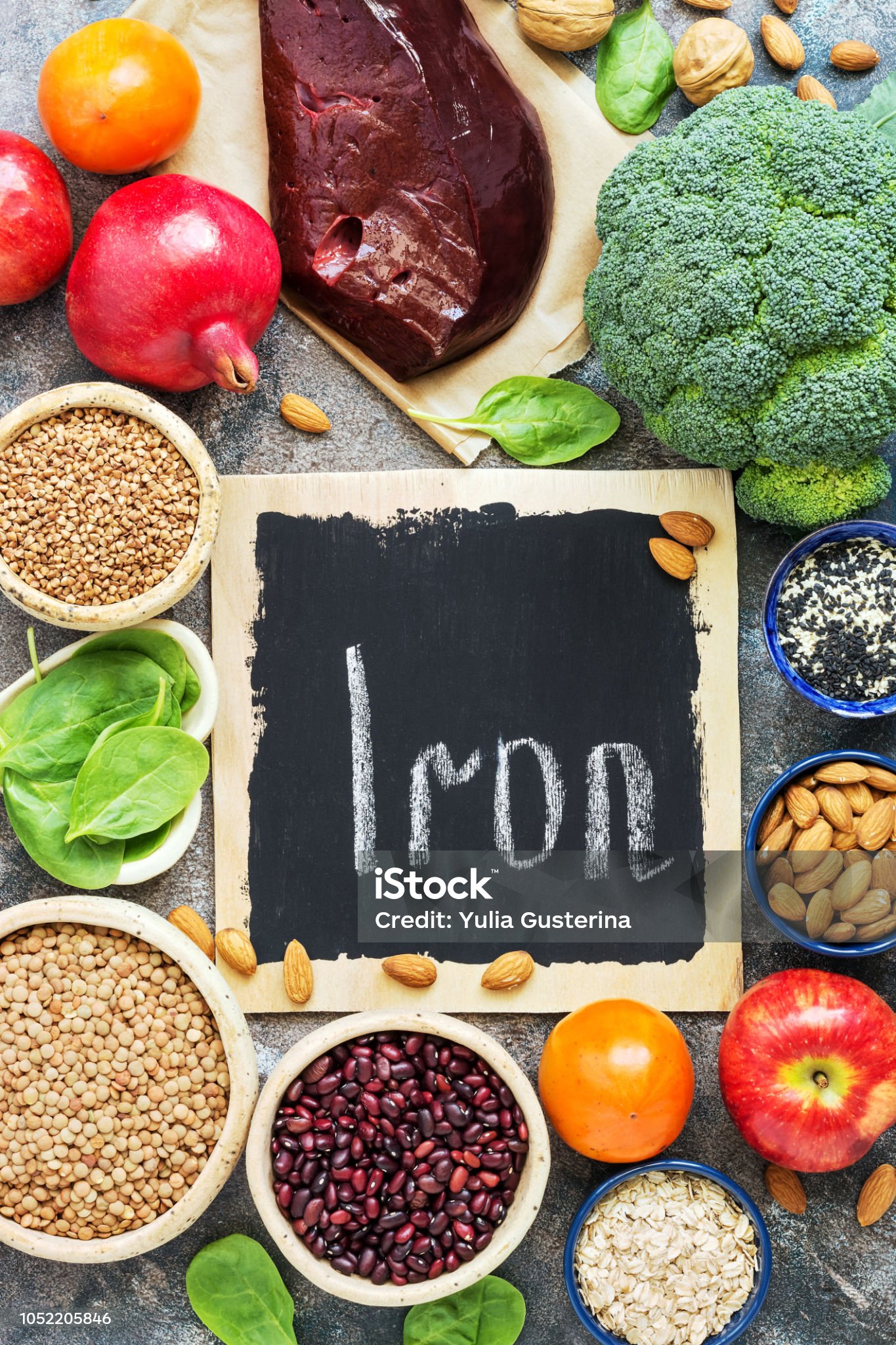
Why Iron Deficiency Is So Common — and So Misunderstood
Iron deficiency anemia affects more people worldwide than any other nutritional deficiency, an estimated 1.2 billion, yet it remains chronically underdiagnosed because its symptoms mimic everyday complaints: tiredness, poor concentration, feeling cold, and general weakness. Most people dismiss these as consequences of a busy life rather than a treatable nutrient deficiency.
The prevalence is driven by a combination of inadequate dietary intake, poor bioavailability from plant-heavy diets, increased losses from menstruation, and impaired absorption from gastrointestinal conditions. Women of reproductive age are the highest-risk group, with studies suggesting that up to 30% of menstruating women in developing countries are iron deficient.
Understanding which foods provide the most absorbable iron, and which dietary practices enhance or inhibit absorption, gives you practical tools to prevent or reverse deficiency through food.
The Two Types of Dietary Iron
Heme iron from animal sources is absorbed at 15-35% efficiency, regardless of other dietary factors. It is the most reliable form of dietary iron.
Non-heme iron from plant sources is absorbed at only 2-20% efficiency, and absorption is heavily influenced by other foods in the same meal. Vitamin C dramatically enhances absorption, while tannins (tea, coffee), calcium, and phytates (whole grains, legumes) inhibit it.
This bioavailability gap is why vegetarians need approximately 1.8 times the recommended iron intake of omnivores to achieve the same functional iron status.
The Complete List: 30 Iron-Rich Foods
Animal Sources (Heme Iron — Best Absorbed)
1. Beef Liver — 6.5mg per 100g (36% DV). The single most iron-dense common food, with enormous amounts of vitamin A, B12, copper, and folate as bonus nutrients. Even eating liver once per week provides a significant iron boost.
2. Oysters — 5.1mg per 100g (28% DV). Also rich in zinc, B12, and omega-3s. Six medium oysters provide about 5mg of highly absorbable heme iron.
3. Chicken Liver — 4.5mg per 100g (25% DV). More affordable and milder than beef liver. Chicken liver pate is an approachable way to incorporate organ meats for people new to them.
4. Sardines — 2.9mg per 100g (16% DV). Canned sardines are one of the most nutritionally dense and affordable foods available: iron plus omega-3s, calcium (from the edible bones), protein, and B12 in one package.
5. Lean Beef — 2.6mg per 100g (14% DV). A 200g steak provides 5.2mg of heme iron. Read our chicken vs beef vs fish comparison for more on how beef compares nutritionally.
6. Turkey (Dark Meat) — 2.3mg per 100g (13% DV). Dark meat contains roughly 50% more iron than white meat across all poultry.
7. Lamb — 1.9mg per 100g (11% DV). Rich in zinc and B12 alongside its iron content.
8. Shrimp — 1.8mg per 100g (10% DV). Low-calorie, high-protein, with meaningful iron and selenium.
9. Tuna — 1.3mg per 100g (7% DV). Canned tuna is an affordable, convenient iron source that requires no cooking.
10. Chicken Breast — 1.1mg per 100g (6% DV). Lower than red meat but still a meaningful contributor when consumed regularly.
Plant Sources (Non-Heme Iron — Pair with Vitamin C)
11. Pumpkin Seeds — 8.8mg per 100g (49% DV). The highest iron content among common seeds. A 30g handful provides 2.6mg of iron — sprinkle them on salads, yogurt, or oatmeal.
12. Sesame Seeds — 7.8mg per 100g (43% DV). Tahini (sesame paste) retains most of this iron and can be used in dressings, hummus, and sauces.
13. Cashews — 6.7mg per 100g (37% DV). Also rich in magnesium and copper. Watch portion sizes due to high calorie density.
14. Flax Seeds — 5.7mg per 100g (32% DV). Ground flax provides better nutrient absorption than whole seeds. Add to smoothies and oatmeal.
15. Tofu (Firm) — 5.4mg per 100g (30% DV). One of the best plant-based protein and iron sources combined.
16. Hemp Seeds — 4.7mg per 100g (26% DV). Also provide complete protein and omega-3 fatty acids.
17. Spinach (Cooked) — 3.6mg per 100g (20% DV). Cooking significantly improves iron availability by breaking down oxalates that inhibit absorption in raw spinach.
18. Dark Chocolate (70%+) — 3.4mg per 100g (19% DV). A genuinely nutritious treat in moderation. A 30g piece provides about 1mg of iron alongside magnesium and antioxidants.
19. Lentils (Cooked) — 3.3mg per 100g (18% DV). Also high in protein and fiber. A cup of lentil soup is one of the most nutritionally complete plant-based meals available.
20. Chickpeas (Cooked) — 2.9mg per 100g (16% DV). Versatile in hummus, curries, salads, soups, and roasted as snacks.
21. Kidney Beans (Cooked) — 2.2mg per 100g (12% DV). Excellent in chili, stews, and Nigerian beans porridge.
22. Black Beans (Cooked) — 2.1mg per 100g (12% DV). Rich in both iron and fiber for a powerful satiety combination.
23. Quinoa (Cooked) — 1.5mg per 100g (8% DV). A complete protein grain with meaningful iron content.
24. Fortified Cereals — 8-18mg per serving (varies). Check nutrition labels; some cereals provide 100% of the daily value in a single serving.
Nigerian Iron-Rich Foods
25. Ewedu (Jute Leaves) — 4.8mg per 100g (27% DV). Ewedu soup is among the lowest-calorie, highest-iron Nigerian foods. A 200g serving provides nearly 10mg of iron.
26. Ugba (Oil Bean Seeds) — 4.5mg per 100g (25% DV). Ugba is a fermented food popular in Eastern Nigeria. The fermentation process may improve mineral bioavailability.
27. Oha Leaves — 4.0mg per 100g (22% DV). Oha soup provides iron alongside calcium and protein from the assorted meat typically used.
28. Beans Porridge — 3.0mg per 100g (17% DV). Nigerian beans porridge is an everyday iron source that also delivers protein and fiber.
29. Gbegiri (Bean Soup) — 3.2mg per 100g (18% DV). Gbegiri paired with ewedu creates a high-iron meal combination.
30. Efo Riro — 2.5mg per 100g (14% DV). The spinach and leafy greens in efo riro provide iron alongside vitamin A and vitamin C. The vitamin C from tomatoes and peppers in the stew actually enhances the absorption of iron from the greens, creating a naturally synergistic combination.
Maximizing Iron Absorption
Pair non-heme iron with vitamin C. This is the single most impactful dietary strategy for boosting plant iron absorption, increasing it by up to 4-6 times. Practical pairings: lemon juice on lentils, tomatoes with beans, bell peppers in spinach salad, orange juice with fortified cereal, and strawberries on oatmeal. Explore our vitamin C food guide.
Cook in cast iron. Acidic foods like tomato-based stews and sauces leach iron from cast iron cookware into your food. This effect is well-documented and can add 1-3mg of iron per serving depending on cooking time and acidity.
Avoid tea and coffee with iron-rich meals. Tannins and polyphenols reduce non-heme iron absorption by up to 60%. Drink them between meals with a 1-2 hour gap before or after eating.
Cook your vegetables. Raw spinach contains oxalates that bind iron and reduce absorption. Cooking breaks down these compounds and also concentrates the iron by reducing water content. Cooked spinach is a substantially better iron source than raw spinach.
Soak and sprout legumes and grains. Soaking beans overnight and discarding the soaking water reduces phytate content, which improves iron (and zinc) absorption. Sprouting grains and legumes has the same effect. Fermentation (as in traditional preparation of ugba or ogi) also reduces phytates.
Do not combine calcium supplements with iron-rich meals. Calcium competes directly with iron for absorption in the gut. If you take calcium, take it at a different time of day from your highest-iron meals.
When Diet Is Not Enough
If you are experiencing persistent symptoms of anemia despite dietary improvements, if you are pregnant, or if blood tests confirm low ferritin, your doctor may recommend iron supplements. Ferrous sulfate and ferrous gluconate are common forms. Take them on an empty stomach with vitamin C for best absorption, though taking them with food reduces side effects like nausea.
Do not self-supplement with iron without a confirmed deficiency. Unlike most vitamins, excess iron cannot be excreted and accumulates in organs, potentially causing damage. Always test first, then supplement if indicated.
Explore all iron-rich foods ranked by iron content in our database, or use the food search to check any specific food.
All nutritional values are per 100g and sourced from the USDA FoodData Central database and verified nutritional references.
Tags
Look Up Any Food
Search nutrition facts for over 300,000 foods in our free database.