Egusi vs Ogbono vs Efo Riro: Which Nigerian Soup Is Healthiest?
Compare the calories, protein, and fat in egusi, ogbono, and efo riro soup. Find out which Nigerian soup is best for weight loss and overall nutrition.
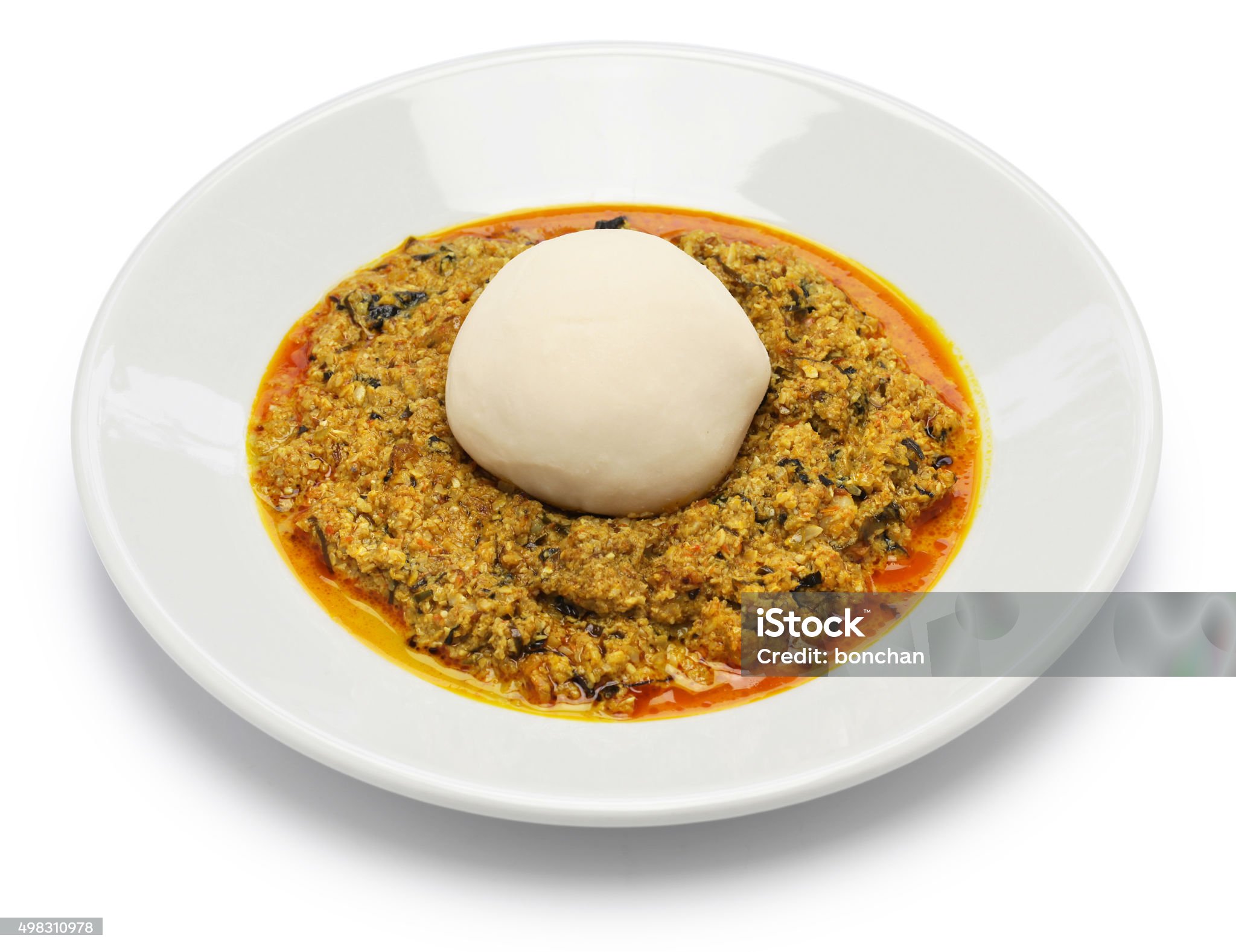
Three Iconic Soups, Very Different Nutritional Profiles
Egusi, ogbono, and efo riro are three of the most beloved soups in Nigerian cuisine, each representing different culinary traditions and ingredients. They are the soups most frequently debated at dinner tables, most commonly paired with swallow, and most likely to provoke passionate opinions about which is "the best." Taste preference aside, their nutritional profiles differ significantly, and understanding these differences helps you make informed choices that align with your health goals.
What makes this comparison particularly important is that soup is the primary vehicle for nutrition in a traditional Nigerian meal. The swallow (pounded yam, amala, garri) is essentially a starch delivery mechanism, while the soup provides the protein, vitamins, minerals, and fats. Choosing a nutrient-dense soup can transform an otherwise starch-heavy meal into a balanced one.
The Nutritional Breakdown
Egusi soup (melon seed soup) is the richest and most calorie-dense of the three at approximately 180 calories per 100g. It provides about 7g of protein, 8g of carbohydrates, and 14g of fat. The melon seeds (egusi seeds) are the primary driver of both the calorie count and the nutritional value: they are naturally high in healthy unsaturated fats, protein, zinc, magnesium, and phosphorus. The leafy vegetables added during cooking (typically spinach, bitter leaf, or pumpkin leaves) contribute vitamin A, vitamin C, iron, and calcium. When prepared with meat, fish, and crayfish, the protein content increases substantially.
The fat content of egusi soup is often cited as a concern, but context matters. The fats from melon seeds are predominantly unsaturated, which are associated with cardiovascular benefits rather than risks. The bigger calorie contributor in most egusi recipes is the palm oil, not the seeds themselves. Reducing palm oil by half while maintaining the seed quantity lowers calories meaningfully without sacrificing the characteristic flavour and texture.
Ogbono soup (wild mango seed soup) sits in the middle at approximately 145 calories per 100g, with about 5g of protein, 9g of carbohydrates, and 10g of fat. The ogbono (bush mango) seeds give the soup its distinctive thick, viscous, slightly slimy texture that draws people, the texture is either loved or merely tolerated, rarely anything in between. Ogbono seeds contain fiber, healthy fats, and trace minerals. The soup provides a reasonable amount of iron and calcium, particularly when enriched with leafy vegetables and stockfish.
Ogbono's thick consistency has a practical benefit for weight management: the viscous texture slows eating pace and creates a perception of richness that can lead to smaller portions. Research has consistently shown that thicker, more viscous foods promote greater satiety than thinner foods of identical calorie content. The same psychological principle that makes a thick soup feel more satisfying than a thin broth works in ogbono's favour.
Efo riro (vegetable stew) is the lightest option at approximately 95 calories per 100g when prepared with moderate palm oil. It provides about 4g of protein, 5g of carbohydrates, and 7g of fat. The base of efo riro is leafy green vegetables, most commonly spinach (efo tete) or African spinach, sometimes mixed with other greens like water leaf. These greens are nutritional powerhouses: rich in iron, calcium, vitamin A, vitamin C, folate, and potassium, with very few calories.
What makes efo riro stand out nutritionally is its micronutrient density per calorie. You get more vitamins and minerals per calorie from efo riro than from either egusi or ogbono because the vegetable base is inherently nutrient-rich and low in energy. When prepared with lean fish or chicken and moderate oil, efo riro is one of the most nutritionally balanced Nigerian dishes available.
For Weight Loss
Efo riro is the clear winner if minimizing calories is the priority. At 95 calories per 100g versus 145 for ogbono and 180 for egusi, the savings are significant at real-world serving sizes. A typical 200g soup serving provides 190 calories from efo riro, 290 from ogbono, or 360 from egusi. Over the course of a week eating soup daily, choosing efo riro over egusi saves roughly 1,190 calories, equivalent to about a third of a pound of fat.
However, weight loss is not only about calories. Egusi's higher protein and fat content may keep you fuller for longer, potentially reducing snacking between meals. Ogbono's thickness slows eating and creates early satiety. The best approach is to rotate all three soups throughout the week: efo riro on days when you want a lighter meal, egusi when you need sustained energy, and ogbono as a satisfying middle ground.
For anyone actively counting calories or following a structured calorie deficit plan, efo riro offers the most dietary flexibility because its low calorie count leaves more room for protein, snacks, or a larger swallow portion.
For Vitamins and Minerals
Efo riro dominates in micronutrient density because leafy greens are among the most nutrient-dense foods on earth. A 200g serving of efo riro provides meaningful amounts of iron (excellent for preventing anemia), vitamin A (critical for vision and immune function), vitamin C (supports immune health and enhances iron absorption), calcium (bone health), and folate (particularly important for pregnant women).
Egusi provides good micronutrients as well, particularly when leafy vegetables are added during the cooking process. The melon seeds themselves are excellent sources of zinc (immune function, wound healing), magnesium (muscle function, sleep), and phosphorus (bone health). Egusi soup made with generous vegetables and lean protein is a nutritionally complete meal.
Ogbono is the least micronutrient-dense of the three when prepared in its most basic form, but adding leafy vegetables and varied proteins significantly improves its nutritional profile. The ogbono seeds provide modest amounts of iron and calcium.
How Preparation Changes Everything
The nutritional analysis above assumes moderate preparation methods, but the reality is that the same soup can vary by hundreds of calories depending on who cooks it and how. The single biggest variable is palm oil. Each tablespoon of palm oil adds approximately 120 calories. Many traditional recipes call for 3-6 tablespoons, contributing 360-720 calories to the entire pot before accounting for seeds, meat, vegetables, or other ingredients.
Reducing palm oil by half, using lean proteins (fish, chicken) instead of fatty cuts and offal, increasing the vegetable proportion, and adding crayfish and seasonings for flavour instead of relying on oil for richness transforms any of these three soups into a significantly healthier dish without fundamentally changing its character.
The swallow pairing also matters enormously. Read our detailed pounded yam vs amala vs garri comparison to understand how your swallow choice affects total meal calories.
Other Nigerian Soups Worth Considering
Do not limit yourself to these three soups. Ewedu at just 35 calories per 100g is the lightest Nigerian soup available and pairs beautifully with gbegiri and amala. Pepper soup at 85 calories is a warming, broth-based option that works as a complete meal without swallow. Okra soup at 90 calories is high in soluble fiber. Nsala (white soup) at 120 calories offers a lean, palm-oil-free option with high protein from catfish.
Use our food comparison tool to compare any two Nigerian soups side by side with complete nutritional breakdowns.
The Verdict
Choose efo riro for the lowest calories and highest micronutrient density. It is the best soup for active weight loss and for maximizing vitamins and minerals per calorie.
Choose ogbono when you want a satisfying, moderate-calorie soup with a unique texture that promotes slower eating and earlier fullness.
Choose egusi when protein and sustained energy are priorities, and you are comfortable with a higher calorie allocation for the soup course. Its protein and fat content make it the most satiating option per serving.
All three are nutritious. The healthiest version of any Nigerian soup is one prepared with moderate oil, plenty of vegetables, lean protein, and consumed in a reasonable portion. The soup itself is rarely the problem; the oil quantity and swallow portion are where excess calories accumulate.
All nutritional values are approximate per 100g serving based on traditional preparation methods.
Tags
Look Up Any Food
Search nutrition facts for over 300,000 foods in our free database.