Pounded Yam vs Amala vs Garri: Calories and Nutrition Compared
Which Nigerian swallow is the healthiest? Compare pounded yam, amala, and garri side by side — calories, carbs, protein, fiber, and vitamins per serving.
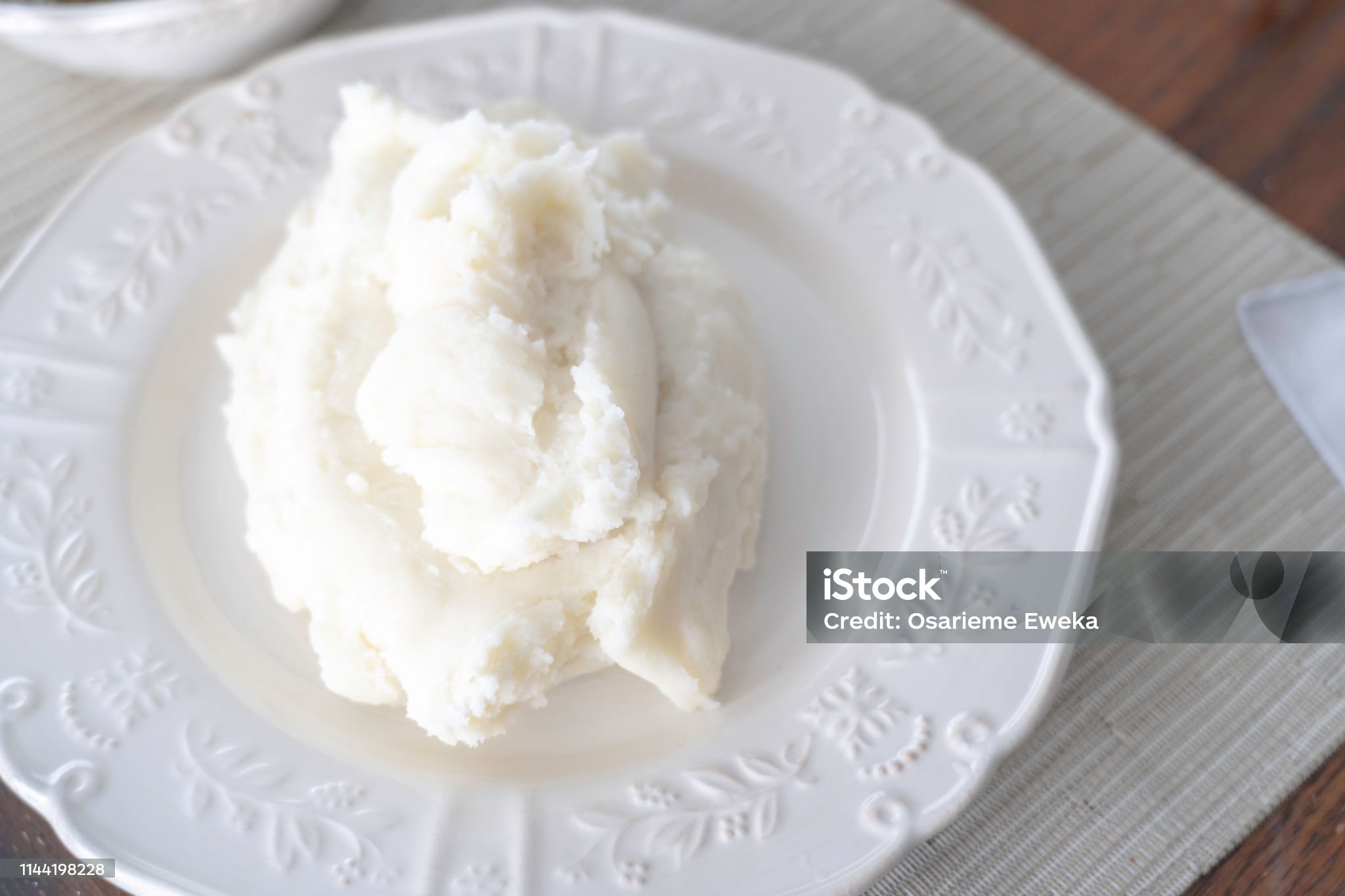
The Great Swallow Debate
If you have ever been in a room full of Nigerians debating which swallow is superior, you know the passion this topic generates. Pounded yam loyalists consider their choice the original and finest, amala devotees swear by its earthy flavour and smooth texture, and garri supporters argue that eba's convenience and versatility make it king. Taste and cultural preference aside, the nutritional differences between these three staples are real and worth understanding, especially if you are watching your weight or managing health conditions.
All three are starchy staples made from different root vegetables and prepared into a smooth, dough-like consistency for eating with soup. But their calorie density, fiber content, glycemic behaviour, and micronutrient profiles differ in ways that could influence your choices.
Breaking Down the Nutrition
Pounded yam is made from boiled white yam that is pounded or processed into a smooth, stretchy consistency. Per 100g of prepared pounded yam, you get approximately 118 calories, 0.8g of protein, 28g of carbohydrates, 0.1g of fat, and 0.4g of fiber. The carbohydrate content is almost entirely starch, with minimal fiber because the pounding process breaks down the cellular structure of the yam. Pounded yam retains modest amounts of potassium and vitamin C from the fresh yam, though much of the vitamin C is lost during the boiling process. You can view the full breakdown on the pounded yam nutrition page.
Amala comes in several varieties, but the most common is made from dried yam flour (elubo). Per 100g of prepared amala, you get approximately 199 calories, 1.5g of protein, 45g of carbohydrates, 0.3g of fat, and 2g of fiber. Amala is significantly more calorie-dense than pounded yam because the drying process removes water and concentrates the starch and nutrients. This same concentration effect means amala provides more iron and B vitamins per serving than pounded yam. Amala made from plantain flour or cassava flour will have a slightly different nutritional profile. Check the amala nutrition page for details.
Garri (eba) is made from fermented, dried cassava flakes that are mixed with hot water to form a firm, dough-like consistency. Per 100g of prepared eba, you get approximately 160 calories, 1.0g of protein, 36g of carbohydrates, 0.2g of fat, and 1.8g of fiber. Garri falls between pounded yam and amala in calorie density. The fermentation process that garri undergoes may provide modest probiotic benefits and also reduces the cyanide content naturally present in raw cassava. See the garri nutrition page for the full profile.
Which Is Best for Weight Loss?
If minimizing calories per serving is your primary concern, pounded yam has a clear advantage at 118 calories per 100g compared to garri at 160 and amala at 199. Over a typical 300g serving (a moderate portion), that translates to 354 calories for pounded yam versus 480 for garri and 597 for amala. The difference between pounded yam and amala at typical serving sizes is 243 calories, which is significant over time.
However, the real-world picture is more nuanced than raw calorie numbers suggest. The critical factor for weight management is how much you actually eat, and that depends on satiety. Amala's higher fiber content (2g per 100g versus pounded yam's 0.4g) means it may keep you feeling full longer, potentially leading to a smaller portion. Garri, with 1.8g of fiber, falls in between.
The most impactful weight loss strategy regarding swallows is not choosing one over another but controlling your portion size regardless of which one you eat. Using a smaller plate, serving yourself once rather than going back for seconds, and making the soup the star of the meal rather than the swallow all make more difference than the type of swallow you choose. A modest portion of amala with a protein-rich soup and plenty of vegetables is healthier than a large portion of pounded yam with minimal soup.
Which Is Best for Blood Sugar?
This question matters enormously for the millions of Nigerians living with diabetes or prediabetes. All three swallows are high-glycemic carbohydrate foods, but their effects on blood sugar are not identical.
Garri (eba) tends to have the highest glycemic response due to the processing cassava undergoes. The fermentation and roasting process breaks down resistant starch, making the remaining starch more rapidly digestible. Pounded yam has a moderate glycemic index, and interestingly, the resistant starch content of yam can vary depending on the variety and how long it is boiled. Amala from yam flour also has a moderate glycemic response.
For all three swallows, the single most effective way to moderate blood sugar impact is what you eat alongside them. Protein-rich, fat-containing soups like egusi soup slow down gastric emptying and glucose absorption significantly. Adding vegetables and lean protein to the meal further blunts the glycemic spike. Eating swallow with a watery, low-fat soup produces a sharper blood sugar rise than eating the same swallow with a thicker, protein-rich soup.
Best Soup Pairings
The soup you choose matters as much nutritionally as the swallow itself. For weight-conscious eaters, the lightest options include ewedu soup at a remarkable 35 calories per 100g, okra soup at about 90 calories, and pepper soup at 85 calories. These soups are high in volume and relatively low in fat, making them ideal for keeping overall meal calories down.
For those prioritizing protein, egusi soup provides protein from both the melon seeds and the meat or fish used in preparation. Oha soup offers 7.5g of protein per 100g alongside calcium and iron. Nsala (white soup) is a lean, protein-focused soup at 120 calories per 100g with 10g of protein.
For the lowest overall meal calories, pair pounded yam with ewedu or pepper soup. For the most satisfying and protein-rich meal, pair any swallow with egusi soup prepared with lean fish. For more specific comparisons, use our food comparison tool to match any two Nigerian foods side by side.
The Verdict
There is no universally "best" swallow. Pounded yam wins on raw calorie count. Amala has the most fiber and concentrated micronutrients. Garri sits in the middle and offers the convenience of shelf-stable storage and quick preparation.
The healthiest choice is the one you enjoy in a reasonable portion alongside a nutrient-dense, protein-rich soup with plenty of vegetables. The swallow should be a vehicle for the soup, not the other way around. Use our food search to look up the exact nutritional values of any Nigerian food in our database.
All nutritional values are approximate per 100g serving. Actual values may vary based on yam variety, preparation method, and water content during cooking.
Tags
Look Up Any Food
Search nutrition facts for over 300,000 foods in our free database.